Krimināltiesiskās aizsardzības juristi
27 min lasīšanai
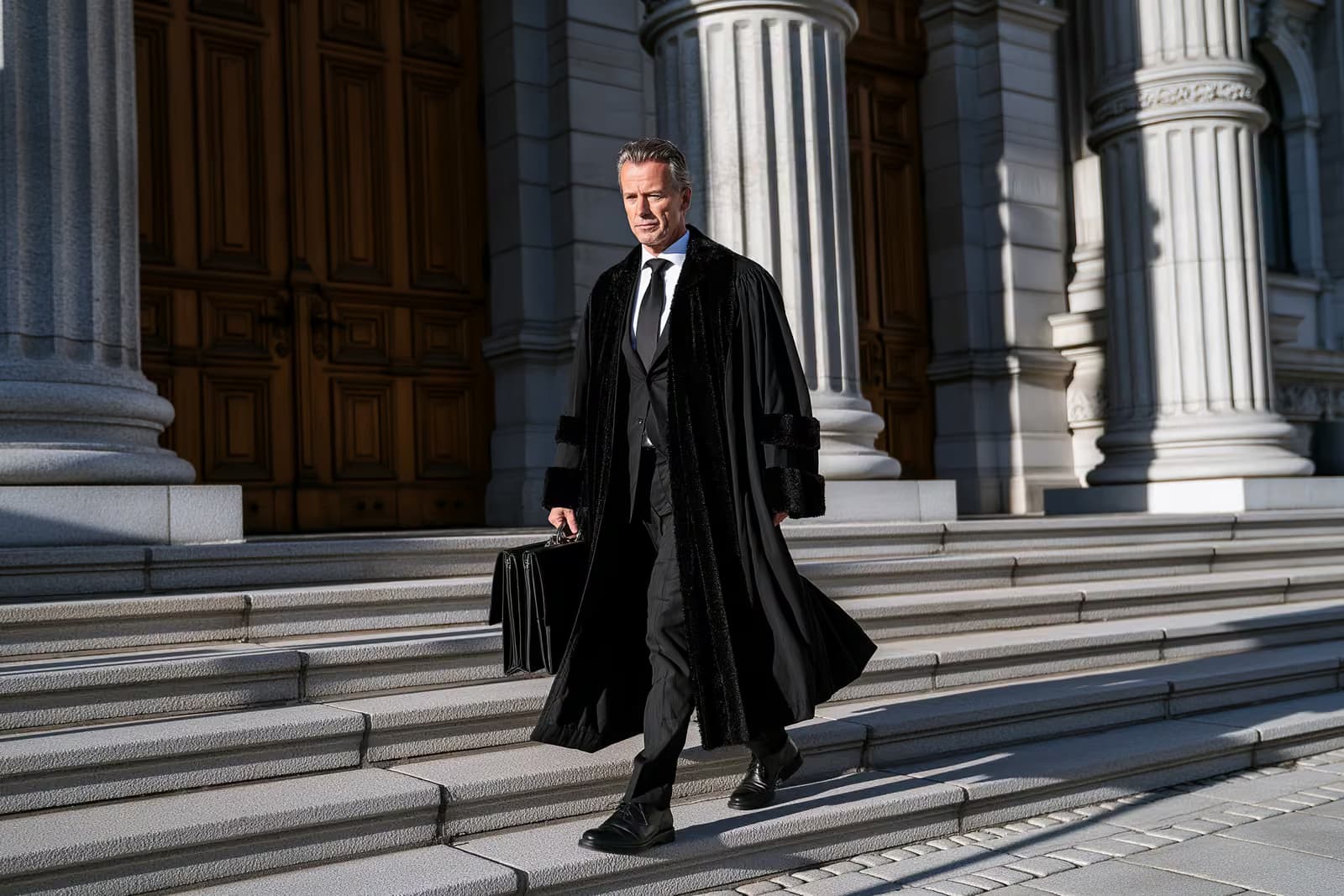
Šī nodaļa palīdzēs jums izdarīt vienu lietu: ātri saņemt kompetentu palīdzību, ja jūs vai kāds jūsu tuvinieks tiek apsūdzēts noziegumā Vācijā. Kriminālās aizstāvības advokātus šeit sauc par Strafverteidiger, un visnoderīgākais fakts par viņiem ir tas, ka jums ir tiesības runāt ar vienu no viņiem, pirms atbildat uz kaut vienu jautājumu. Šī nodaļa ir rakstīta cilvēkiem, kuri šobrīd ir nonākuši nepatikšanās, tāpēc steidzamākās lietas tajā tiek liktas pirmajā vietā, bet pagātne - pēc tam.
Ja neko citu nelasāt, izlasiet šo rindkopu. Jums jāsniedz policijai sava identitātes informācija: vārds, uzvārds, dzimšanas datums un vieta, ģimenes stāvoklis, nodarbošanās, adrese un tautība. Jums nekas nav jāsaka par to, par ko jūs apsūdz. Jūsu klusēšanu nevar izmantot pret jums. Jūs varat lūgt advokātu jebkurā brīdī, arī pirms jebkādas pratināšanas sākuma, un policijai ir jāsniedz jums informācija, kas palīdzēs jums sazināties ar advokātu. Tie ir visi ārkārtas ieteikumi. Tālāk sniegtais skaidrojums par katra teikuma izcelsmi un slēptajām sekām.
Šie slazdi nav tādi, kādus sagaida angliski runājošs lasītājs. Tiesas iecelts aizstāvības advokāts nesniedz bezmaksas juridisko palīdzību, lai ko jūs arī nebūtu lasījis citur. Notiesājošs spriedums var nonākt jūsu pastkastītē un kļūt galīgs četrpadsmit dienu laikā, kamēr jūs pieņemat, ka tas ir naudas sods, ko varat nokārtot nākamajā mēnesī. Un krimināllieta pret ārvalstnieku nekad nav tikai krimināllieta: tā tiek izskatīta līdztekus jūsu uzturēšanās atļaujai un jūsu turpmākajam pilsonības pieteikumam, un imigrācijas sekas bieži vien ir ilgākas par soda izciešanu. Šī nodaļa ir par aizstāvības atrašanu, izvēli un apmaksu. Tajā netiek mācītas Vācijas krimināltiesības, un tā nav juridiska konsultācija par jūsu lietu.
Ko darīt, ja policija vēlas ar jums runāt
Svarīgais noteikums ir ietverts Kriminālprocesa kodeksa (Strafprozessordnung), parasti saīsināti StPO, 136. panta 1. daļā. Jebkuras pratināšanas sākumā Beschuldigter, personai, pret kuru oficiāli tiek turēts aizdomās, ir jāpaziņo, par kādu darbību viņš tiek apsūdzēts. Tiesneša vai prokurora priekšā viņam ir jāpaziņo arī par to, kuri krimināllikumu panti tiek ņemti vērā. Pēc tam viņam, paša likuma vārdiem runājot, ir jāpasaka, ka saskaņā ar likumu viņam ir tiesības komentēt apsūdzību vai nesniegt paziņojumu par šo jautājumu un ka viņš jebkurā laikā, tostarp jau pirms pratināšanas, var konsultēties ar paša izvēlētu aizstāvības advokātu. Ja viņš saka, ka vispirms vēlas konsultēties ar advokātu, policijai ir jāsniedz informācija, kas atvieglo saziņu ar advokātu, un jānorāda uz jebkuru anwaltlicher Notdienst, advokātu neatliekamās palīdzības tālruni, kas pastāv lielākajā daļā reģionu.
Tā nav formalitāte, un tā neattiecas tikai uz dramatiskiem gadījumiem. §163a(4) StPO piemēro to pašu norādījumu policijas darbinieku veiktajām nopratināšanām, ar vienu atšķirību, kas ir vērts zināt: policijai ir jāpastāsta jums par iespējamo darbību, taču viņiem nav pienākuma nosaukt konkrētus kriminālnoziegumu pantus. Tātad policijas darbinieks var likumīgi jums pateikt, ka runa ir par "incidentu četrpadsmitajā datumā", nepaskaidrojot, vai lietā ir minēta Körperverletzung, miesas bojājumi vai kaut kas daudz nopietnāks. Jums tiek lūgts izlemt, vai runāt, nezinot, ar ko jūs faktiski saskaraties. Šī asimetrija ir iemesls, kāpēc pastāv tiesības vispirms konsultēties ar advokātu un iemesls tās izmantot.
Tiesības, ko jūs īstenojat, kad jūs neko nesakāt, sauc par Aussageverweigerungsrecht jeb tiesībām atteikties sniegt liecību. Šeit ir daļa, ko angļu valodas lasītāji kļūdās, un tas ir vissvarīgākais punkts šajā nodaļā. Vācijā klusēšana nav pierādījums. Tiesa nedrīkst uzskatīt jūsu atteikšanos runāt par vainas pazīmi, nedrīkst to pieminēt savā argumentācijā un nedrīkst to izvērtēt. Ja esat dzīvojis Anglijā vai Velsā, atmetiet malā to, ko zināt: nav vācu valodas ekvivalenta brīdinājumam, ka tas var kaitēt jūsu aizstāvībai, ja jūs nepieminēsiet kaut ko, uz ko vēlāk paļausities. Nav negatīva secinājuma. Vācijas nostāja nav "klusēšana ir riskanta, bet atļauta". Tā ir tāda, ka pilnīga klusēšana ir juridiski neredzama.
Daudzi cilvēki no vispārējās likumdošanas valstīm un daudzi cilvēki kopumā uzskata, ka agrīna sadarbība samazina problēmu. Viņi iztēlojas draudzīgu sarunu, kas visu noskaidro. Vācijas kriminālprocesā šī pārliecība ir dārga. Izmeklēšanu vada Staatsanwaltschaft jeb prokuratūra, un nopratināšana nav iespēja paskaidrot savu vainu lietā; tā ir pierādījumu vākšana, un jūsu teiktais tiek ierakstīts lietā neatgriezeniski. Jūs vēl nevarat apskatīt lietu. Jūsu advokāts var. Runāt, pirms kāds ir iepazinies ar pierādījumiem pret jums, nav sadarbība, bet gan minēšana.
Ir viens būtisks precizējums, un tā izlaišana padarītu iepriekš minēto padomu bīstamu. Aizsardzība attiecas uz pilnīgu klusēšanu. Tā neattiecas uz nelielu runāšanu. Federālā Augstākā tiesa Bundesgerichtshof 2000. gada 3. maija spriedumā lēma, ka, ja apsūdzētais sniedz Teileinlassung, daļēju paziņojumu par iespējamo darbību, viņa klusēšana par atsevišķiem jautājumiem tajā pašā darbībā var tikt izmantota pret viņu. Tas pats lēmums jūs aizsargā arī pretējā virzienā: komentējot vienu iespējamo darbību, tiesai nav tiesību no jūsu klusēšanas izdarīt secinājumus par citu darbību. Praktiskās sekas ir vienkāršas un absolūtas. Neatbildiet uz dažiem jautājumiem un noraidiet citus. Nesniedziet īsu skaidrojumu un apstājieties, kad kļūst neērti. Vai nu neko nesakiet par šo lietu, vai arī sakiet to, ko jūsu advokāts jums ieteicis teikt pēc lietas materiālu izlasīšanas. Pusceļa pozīcija ir sliktākā no trim.
Attēlu papildina divas robežas. Pirmā ir identitāte. Saskaņā ar §163b StPO policija var veikt nepieciešamos pasākumus, lai noskaidrotu jūsu identitāti, un var jūs aizturēt, ja jūsu identitāti nevar noteikt citādi. Saskaņā ar Ordnungswidrigkeitengesetz (Likuma par normatīvajiem pārkāpumiem) 111. pantu atteikšanās norādīt vai viltot savu vārdu, dzimšanas datumu un vietu, ģimenes stāvokli, nodarbošanos, dzīvesvietu, adresi vai tautību kompetentajai iestādei pati par sevi ir normatīvais pārkāpums, par kuru var piemērot naudas sodu līdz tūkstoš eiro. Tātad identitātes dati nav obligāti. Nekas ārpus tiem nav obligāts. Otrais ierobežojums attiecas uz amatpersonām: §136a StPO aizliedz pratināšanas metodes, kas ierobežo jūsu brīvo gribu, tostarp sliktu izturēšanos, izsīkšanu, maldināšanu un draudus par pasākumu, ko likums neatļauj, vai solījumu par priekšrocību, ko likums neparedz. Liecības, kas iegūtas, pārkāpjot §136a, nedrīkst izmantot, un saskaņā ar §136a(3) tas ir taisnība, pat ja jūs vēlāk piekrītat to izmantošanai.
Vēl viens praktisks aspekts, kas cilvēkiem ietaupa daudz nepatikšanas. Saskaņā ar StPO 163.a(3) pantu jums ir pienākums ierasties, kad jūs izsauc Staatsanwaltschaft. StPO neparedz līdzvērtīgu pienākumu ierasties pēc policijas pavēstes kā Beschuldigter. Vēstule, kas jūs uzaicina uz Vernehmung, oficiālu pratināšanu, policijas iecirknī, tāpēc ne vienmēr ir pavēle, lai gan to nekad nevajadzētu ignorēt vai izmest. Iedodiet to advokātam. Un pat tad, ja jums ir jāierodas, ierašanās un uzstāšanās ir atsevišķas lietas: pienākums ir ierasties, nekad neapspriest lietas būtību.
Ko dara kriminālās aizstāvības advokāti, ko jūs pats nevarat izdarīt
Saskaņā ar StPO 137. panta 1. punktu Beschuldigter ir tiesības uz aizstāvības advokāta palīdzību jebkurā procesa posmā. Jums vienlaikus var būt līdz trim izvēlētiem aizstāvības advokātiem, lai gan gandrīz nevienam nav nepieciešams vairāk par vienu. “Jebkurā posmā” ir nozīme tam, ko tas nozīmē: jums nav jāgaida apsūdzības celšana, un jums nav jāgaida tiesas sēdes datums. Tiklīdz uzzinājāt par izmeklēšanas sākšanu, vai nu no pavēstes, kratīšanas, telefona zvana vai vēstules, jūs varat pilnvarot Strafverteidiger.
Konkrētais iemesls to darīt agri nav saistīts ar tiesas zāles sniegumu. Tā ir piekļuve lietas materiāliem. Vācijas kriminālprocesa likums veido Akteneinsicht, izmeklēšanas lietu pārbaudi, ap aizstāvības advokātu. Jūsu advokāts iesniedz pieteikumu saskaņā ar §147 StPO un izlasa to, kas Staatsanwaltschaft faktiski ir: paziņojumus, ziņojumus, ekspertu atzinumus, visu aizdomu pamatu. Beschuldigter bez advokāta ir tikai šaurāka piekļuve, ko atļauj §147(4). Tā ir visa spēle. Kamēr kāds nav izlasījis lietas materiālus, neviens, ieskaitot jūs, nezina, vai lieta ir nopietna, vāja, kļūdaina vai drīz tiks izbeigta. Katrs lēmums, ko ir vērts pieņemt, tostarp par to, vai vispār kaut ko teikt, tiek pieņemts pēc šīs izlasīšanas. Aizstāvības advokāts, kurš sākumā liek jums klusēt, nerada šķēršļus; viņš atsakās sniegt jums padomu par lietu, ko viņš nav redzējis.
Advokāts dara arī lietas, ko jūs strukturāli nevarat. Viņi var pieteikties saskaņā ar StPO 163.a(2) pantu par attaisnojošu pierādījumu iegūšanu. Viņi var apstrīdēt pierādījumu iegūšanas veidu. Aizturēšanas jautājumos viņi var pieteikties uz Haftprüfung, aizturēšanas pārskatīšanu. Un, ja lieta kādreiz nonāk līdz Verständigung, vienošanās par iznākumu saskaņā ar StPO 257.c pantu, viņi ir būtiski, jo šī procedūra nepavisam nelīdzinās tam, ko jums ir mācījusi angloamerikāņu televīzija. Verständigung ierosina un uzrauga tiesa, nevis apspriež to ar prokuroru. Tā var attiekties tikai uz juridiskajām sekām, nekad uz Schuldspruch, pašu vainas atzīšanu, ko likums skaidri nostāda ārpus sasniedzamības. Tiesas pienākums pēc savas iniciatīvas izmeklēt patiesību paliek spēkā. Un saskaņā ar 257.c(4) pantu tiesas saistības atkrīt, ja ir tikuši ignorēti vai rodas jauni būtiski apstākļi, un tādā gadījumā jebkāda atzīšanās, kas sniegta kā tā daļa, nevar tikt izmantota. Tas ir šaurs, formāls, tiesas pārvaldīts mehānisms, un nav vācu vienošanās par vainas atzīšanu amerikāņu izpratnē.
Kamēr mēs labojam importu: Vācijā nav zvērināto. Neviens to neizvēlas. Nopietnākās lietās tiesnešu sastāvā ir arī Šēfens, piesēdētāji, taču viņi sēž līdzās profesionālajiem tiesnešiem, uzklausa tos pašus pierādījumus un balso kopā ar viņiem gan par vainu, gan sodu. Nav atsevišķas pilsoņu institūcijas, ko pārliecināt, un tāpēc nav arī interešu aizstāvības, kas vērsta uz vienu no tām. Auditorija ir tiesnešu kolēģija, kas lasa lietu, un tieši tāpēc tas, kas ir šajā lietā un ko jūs tai pievienojāt policijas iecirknī pulksten divos naktī, tik daudz izšķir.
Kā atrast kriminālās aizsardzības advokātus, kas strādā angļu valodā
Meklējamā apliecība ir krimināltiesību jurists Fachanwalt für Strafrecht. Tā nav pašapraksts. Tas ir aizsargāts nosaukums, ko piešķir reģionālā advokātu kolēģija Rechtsanwaltskammer, un tās iegūšanai ir nepieciešama dokumentēta pieredze lietās, sagatavošanās kursa pabeigšana un obligāta ikgadēja tālākizglītība. Mūsu nodaļa par juridiskie pakalpojumi emigrantiem paskaidrots, kā darbojas Fachanwalt sistēma, kā Rechtsanwaltsvergütungsgesetz nosaka advokātu honorārus un kā pārbaudīt, vai persona patiešām ir atzīta par tiesvedības dalībnieku, tāpēc šajā nodaļā tas netiks atkārtots. Šeit ir vērts piebilst, ka Vācijas kriminālprocesa likums pats par sevi uzskata šo titulu par kvalitātes zīmi: saskaņā ar StPO 142(6). pantu, ja tiesai ir jāieceļ aizstāvības advokāts un jūs tādu neesat nosaucis, tai jāizvēlas vai nu Fachanwalt für Strafrecht, vai cits advokāts, kurš ir paziņojis advokatūrai, ka ir gatavs un piemērots šādu lietu uzņemšanai.
Lai to atrastu, sāciet ar oficiālajiem avotiem, nevis meklētājprogrammu. Bundesweites Amtliches Anwaltsverzeichnis ir oficiālais reģistrs, ko uztur advokatūras, un tas ir autoritatīvs veids, kā apstiprināt, ka kādam patiešām ir atļauts praktizēt. Deutscher Anwaltverein direktorijs ļauj meklēt pēc specializācijas, atrašanās vietas un darba valodas, kas ir svarīgi, ja jums ir nepieciešama aizstāvība angļu valodā. Strafverteidigervereinigungen, pašu kriminālās aizstāvības advokātu asociācijas, ir vēl viens nekomerciāls ceļš kādam, kurš šo darbu veic katru dienu, nevis neregulāri.
Izvēlieties gan piemērotību, gan akreditāciju. Tieši pajautājiet, vai viņi vadīs jūsu lietu angļu valodā vai arī būs nepieciešams tulks, pajautājiet, vai viņi ir strādājuši ar lietām, kurās ir apdraudēta arī klienta uzturēšanās atļauja, un pajautājiet, cik viņi iekasē maksu un kādā veidā. Advokāts, kurš pirmajā kontaktā skaidri neatbildēs uz jautājumu par maksu, jums kaut ko stāsta. Ja ir nakts vidus, nedēļas nogale vai jūs stāvat policijas iecirknī, neveiciet šo izpēti: pajautājiet par anwaltlicher Notdienst, kas policijai ir jānorāda jums, un ļaujiet speciālistam vēlāk pašam izvēlēties.
Pflichtverteidiger nav bezmaksas juridiskā palīdzība
Gandrīz katrā apgrozībā esošajā emigrantu ceļvedī Pflichtverteidiger tiek raksturots kā Vācijas bezmaksas advokāts cilvēkiem, kuri to nevar atļauties. Tieši tā bija teikts arī šīs nodaļas tiešraides versijā. Tajā ir kļūda abās pusēs, un kļūda cilvēkiem izmaksā reālu naudu, tāpēc ir vērts būt precīzam.
Sāciet ar to, kas to izraisa. §140 StPO definē notwendige Verteidigung jeb obligātu aizstāvību, un šis cēlonis ir lietas nopietnība un apstākļi, nevis jūsu bankas konta atlikums. Jūsu līdzekļi nav svarīgi, vai ir piemērojams §140. Uzskaitītie gadījumi ietver: ja tiesas process notiks pirmajā instancē Oberlandesgericht, Landgericht vai Schöffengericht; ja jūs apsūdz Verbrechen, kas nozīmē nodarījumu, par kuru paredzēts vismaz viena gada cietumsods; ja process varētu novest pie aizlieguma praktizēt savu profesiju; ja jūs jānonāk tiesneša priekšā lēmuma pieņemšanai par apcietinājumu vai pagaidu ievietošanu; ja jūs atrodaties iestādē ar tiesas rīkojumu; ja ir apšaubāma ievietošana psihiatriskā atzinuma saņemšanai; ja ir paredzēta Sicherungsverfahren; ja jūsu iepriekšējais advokāts ir atstādināts; ja cietušajam ir norīkots advokāts; ja advokāta dalība tiesas nopratināšanā šķiet nepieciešama šīs nopratināšanas svarīguma dēļ; un ja ir piemērojams apsūdzētais ar redzes, dzirdes vai runas traucējumiem. 140. panta (2) punktā ir pievienota vispārīga klauzula: obligātā aizstāvība ir piemērojama arī tad, ja advokāts šķiet nepieciešams nodarījuma smaguma, paredzamā soda smaguma vai faktiskās vai juridiskās situācijas sarežģītības dēļ, vai ja ir acīmredzams, ka jūs nevarat sevi aizstāvēt. Nevienā no šiem punktiem nauda neparādās.
Iecelšanas mehānisms ir noteikts StPO 141. pantā, un tas ir ātrāks, nekā cilvēki domā. Kad apsūdzība ir jums atklāta un jums nav advokāta, nekavējoties tiek iecelts aizstāvis (Pflichtverteidiger), ja pēc norādījuma saņemšanas jūs to skaidri pieprasāt, un pieteikums ir jāizskata pirms jebkādas pratināšanas vai konfrontācijas. Dažās situācijās pieteikums vispār nav nepieciešams: iecelšana notiek automātiski, tiklīdz jūs jānogādā tiesas priekšā apcietinājumā vai tiklīdz kļūst zināms, ka atrodaties iestādē, vai ja izmeklēšanas laikā kļūst skaidrs, ka nevarat sevi aizstāvēt, vai tiklīdz esat aicināts sniegt komentārus par apsūdzības rakstu (Anklageschrift).
Jums ir arī lielāka kontrole, nekā vairums cilvēku apzinās. Saskaņā ar StPO 142. panta 5. punktu, pirms advokāta iecelšanas jums ir jādod iespēja noteiktā termiņā pašam iecelt advokātu. Ja jūs iecelsiet advokātu šajā termiņā, šis advokāts tiks iecelts, ja vien nav svarīga iemesla pret to, piemēram, advokāta nepieejamība vai nepieejamība laikā. Tātad “tiesas iecelts” nenozīmē “svešinieku, kuru tiesa izvēlējusies”. Ja jūs zināt vēlamo advokātu, nosauciet viņu. Ja nokavējat termiņu, tiek piemērots 142. panta 6. punkts, un tiesa izvēlēsies jūsu vietā.
Tagad nauda, un tieši tur mīts nodara kaitējumu. Nodevu maksātāju (Pflichtverteidiger) vispirms sedz valsts kase (Staatskasse). Tas nav tas pats, kas būt brīvam. Saskaņā ar StPO 464.a(1) pantu tiesvedības izmaksas ir Staatskasse nodevas un Auslagen (izdevumi), un nodevas, ko valsts kase maksā jūsu ieceltajam advokātam, ir tieši šādas izmaksas, kas tiek iekasētas pilnā apmērā saskaņā ar tiesas izmaksu sarakstu. Saskaņā ar StPO 465.a pantu (1) notiesātais apsūdzētais sedz tiesvedības izmaksas par nodarījumu, par kuru viņš ir notiesāts. Apkopojot šos punktus, rezultāts ir vienkāršs: ja jūs tiekat notiesāts, valsts var un parasti arī atgūst no jums nodevu maksātāju (Pflichtverteidiger). Saskaņā ar Satz 2 465.a panta (1) daļu par notiesāšanu tiek uzskatīts arī Verwarnung mit Strafvorbehalt, brīdinājums ar soda piespriešanu un pat lēmums atturēties no soda.
Jums nav jātic šīs nodaļas teiktajam uz vārda, jo pats StPO to norāda vienīgajā vietā, kur persona, kas tiek turēta aizdomās, to patiešām dzirdēs. §136(1) nosaka, ka, kad jums tiek paziņots, ka varat pieteikties Pflichtverteidiger, jūs vienlaikus ir jābrīdina par §465 izmaksu sekām. Likums paredz brīdinājuma iestrādāšanu piesardzības paziņojumā. Sistēma, kas domātu, ka tā izdala bezmaksas advokātus, to nedarītu.
Pastāv vēl viens izmaksu slānis, kas cilvēkus pārsteidz. Tiesu iestāžu likuma (Rechtsanwaltsvergütungsgesetz) 52. panta 1. daļa ļauj tiesas ieceltam advokātam pieprasīt no jums izvēlētā aizstāvja honorārus, kas ir augstāki par iecelšanas likmēm, atskaitot visu, ko valsts kase jau ir samaksājusi. Pastāv reāli ierobežojumi: viņi nedrīkst pieprasīt avansu, un saskaņā ar 52. panta 2. daļu prasību var iesniegt tikai tad, ja jums ir atlīdzināšanas prasība pret valsts kasi vai ja tiesa konstatē, ka varat samaksāt vai maksāt pa daļām, neapdraudot sev un savai ģimenei nepieciešamo uzturēšanu. Taču ņemiet vērā 52. panta 3. daļu: ja tiesa lūdz jūs deklarēt savus apstākļus un jūs neatbildat noteiktajā termiņā, tiek pieņemts, ka esat spējīgs samaksāt. Klusēšana jūs aizsargā pratināšanas telpā. Tā jūs neaizsargā šeit.
Spoguļattēls ir labā ziņa, un tā ir patiesi laba. Saskaņā ar StPO 467(1) pantu, ja jūs attaisno, ja pret jums tiek atteikta galvenās tiesvedības uzsākšana vai ja tiesvedība tiek pārtraukta, Valsts kase sedz gan savus izdevumus, gan jūsu nepieciešamos izdevumus. Šādā gadījumā aizstāvība patiešām bija bez maksas, ieskaitot izvēlētā advokāta likumā noteiktos honorārus. Ir vērts zināt divus izņēmumus: izmaksas, ko esat radījis vainīgas nokavēšanas dēļ, gulstas uz jums saskaņā ar 467(2) pantu, un saskaņā ar 467(5) pantu jūsu izdevumi netiek ieskaitīti Valsts kasē, ja lieta tika galīgi pārtraukta pēc pagaidu pārtraukšanas saskaņā ar 153.a pantu, kas ir ļoti izplatīts veids, kā tiesvedība tiek izbeigta, samaksājot naudas summu.
Viens ceļš šeit jums ir slēgts, un tas ir tas, pie kura cilvēki ķeras vispirms. Beratungshilfe, valsts subsidēta juridisko konsultāciju shēma cilvēkiem ar zemiem ienākumiem, sedz konsultācijas tikai krimināllietās un normatīvajos jautājumos. Tā neapmaksā pārstāvniecību vai aizstāvību. Mūsu nodaļa par juridiskā palīdzība un pro bono pakalpojumi nosaka, kā pieteikties un kas ir tiesīgs to saņemt, un juridiskā palīdzība Vācijā nav atkarīga no jūsu pilsonības. Izmantojiet to pirmajā sarunā, ja trūkst naudas. Pati aizstāvība notiek, izmantojot iepriekš aprakstīto Pflichtverteidiger ceļu, ar pilnīgi atšķirīgiem nosacījumiem.
Ja jūs apcietina: ko jums paredz StPO 114.b pants
114. panta b) daļa par kriminālprocesuālo pienākumu pildīšanu nosaka, kas jādara, ja apcietina apcietināto personu (Beschuldigter), un tā ir neparasti dāsna uz papīra. Norādījums jeb Beschuldigtenbelehrung ir jāsniedz nekavējoties un rakstiski valodā, kuru jūs saprotat. Ja rakstisks norādījums acīmredzami nav pietiekams, jums ir jāsaņem arī mutisks norādījums. Ja rakstisks norādījums nav iespējams, tas ir jāsniedz mutiski un vēlāk jāsagatavo rakstiski, ja to ir pamatoti iespējams izdarīt. Jūsu saņemšana ir jāapstiprina jums rakstiski vai jādokumentē prokuratūrai.
Ir vērts iepazīties ar 114.b(2) pantā minēto sarakstu, pirms tas jums ir nepieciešams. Jums jāpaziņo, ka jūs nekavējoties un ne vēlāk kā nākamajā dienā pēc aresta jānonāk tiesas priekšā, un ka tiesai jūs jānopratina un jālemj par jūsu turpmāko apcietinājumu. Jums jāpaziņo, ka varat sniegt komentārus par šo jautājumu vai nesniegt paziņojumus. Jums jāpaziņo, ka varat lūgt individuālu attaisnojošu pierādījumu iegūšanu. Jums jāpaziņo, ka jebkurā laikā, tostarp pirms nopratināšanas, varat konsultēties ar izvēlētu aizstāvības advokātu, ka tiks sniegta informācija, kas atvieglo saziņu, un ka tiks norādīti neatliekamās palīdzības advokāta pakalpojumi. Jums jāpaziņo, ka varat pieteikties uz Pflichtverteidiger 140. panta lietās, un šeit jānorāda arī iespējamās 465. panta izmaksas. Jums jāpaziņo, ka jums ir tiesības pieprasīt paša izvēlēta ārsta veiktu pārbaudi. Saskaņā ar 6. punktu jums jāpaziņo, ka varat informēt radinieku vai personu, kurai uzticaties, ciktāl tas būtiski neapdraud izmeklēšanas mērķi. Jums ir jāpaziņo, ka jūs varat pieteikties lietas materiālu pārbaudei saskaņā ar 147. panta 4. punktu, ciktāl jums nav advokāta. Un jums ir jāpaziņo par jūsu tiesiskās aizsardzības līdzekļiem pret apcietinājuma turpināšanu, tostarp par prasību pret apcietināšanas orderi un pieteikumu par atļaujas piešķiršanu tiesas prāvā (Haftprüfung).
Divi papildu §114b(2) teikumi ir īpaši paredzēti cilvēkiem jūsu amatā, un tās ir vismazāk zināmās sadaļas daļas. Trešais teikums nosaka, ka Beschuldigter, kurš nepietiekami labi pārvalda vācu valodu, viņam saprotamā valodā ir jāpaziņo, ka viņš var pieprasīt bezmaksas mutisko un rakstisko tulkojumu visā kriminālprocesa laikā. Ceturtais un pēdējais teikums ir tas, kas jāatceras: ārvalsts pilsonim ir jābūt informētam, ka viņš var pieprasīt, lai tiktu informēta viņa mītnes valsts konsulārā pārstāvniecība, un ka viņš var tai sūtīt paziņojumus. Tas atspoguļo Vīnes Konvencijas par konsulārajām attiecībām 36. pantu, un tās ir tiesības, kas jums ir jāpieprasa. Neviens nezvanīs jūsu konsulātam, vadoties pēc priekšnojautas. Konsulāts nevar jūs aizstāvēt, nevar panākt jūsu atbrīvošanu un nevar samaksāt jūsu advokātam, bet tas var apstiprināt, ka esat dzīvs un kur atrodaties, sazināties ar jūsu ģimeni un bieži vien sniegt vietējo advokātu sarakstu, kuri strādā jūsu valodā. Ja jūs arestē tālu no visiem, kas jūs pazīst, tā nav mazsvarīga lieta.
Apcietinājumam ir viena pozitīva puse, ko ir vērts pieminēt, jo tā atņem jums lēmumu pieņemšanas tiesības. Ja jūs ir jāved pie tiesneša lēmuma pieņemšanai par apcietinājumu, 140. panta 1. daļa padara jūsu lietu par obligātu aizstāvību, un 141. panta 2. daļa nosaka, ka Pflichtverteidiger ir jāieceļ bez jūsu pieteikšanās. Jums nebūs jātiekas ar Haftrichter, apcietinājuma tiesnesi. Iepriekšējā sadaļā minētie izmaksu noteikumi joprojām ir spēkā pēc tam, bet brīdī, kad tas ir svarīgi, advokāts ierodas saskaņā ar likumu.
Jūsu tiesības uz tulku ir tiesības, nevis pakalpojums
Vācijā tiesas procesi notiek vācu valodā. Tas ir sistēmas fakts, nevis šķērslis, kas jums jāpārvar privāti, un Gerichtsverfassungsgesetz (Tiesu konstitūcijas likuma) 187. pants ir noteikums, kas rada atšķirību. Saskaņā ar 187. panta 1. daļu tiesa piesaista tulku vai tulku Beschuldigter, kurš nepārvalda vācu valodu, gadījumā, ja tas ir nepieciešams, lai viņš varētu īstenot savas tiesības kriminālprocesā. Tiesai viņam saprotamā valodā jāpaziņo, ka viņš var pieprasīt šo pakalpojumu bez maksas visā kriminālprocesā. Tā kā StPO 163.a(5) pants piemēro GVG 187.panta 1.-3. daļu arī izmeklēšanai, tas attiecas arī uz policijas iecirkni un prokuratūru, ne tikai uz tiesas procesu. Nepiekrītiet, ka jūs pratina valodā, kurā jūs nezināt, tikai tāpēc, ka tas šķita vieglāk nekā radīt traci. Palūdziet tulku un ļaujiet viņiem to atvest.
GVG 187. panta 2. punkts iet vēl tālāk un nosaka rakstisku tulkojumu. Parasti apcietinājuma rīkojumi, apsūdzības raksti, Strafbefehle un negalīgi spriedumi ir jātulko rakstiski, un tulkojums jums ir jāsniedz nekavējoties. Pietiek ar izraksta tulkojumu, ja tas aizsargā jūsu tiesības. Šeit ir nianse, kas parasti ir viegli risināma, un jums tā jāzina: mutisks tulkojums vai mutisks kopsavilkums var aizstāt rakstisko tulkojumu, ja jūsu procesuālās tiesības joprojām ir aizsargātas, un likums nosaka, ka tas parasti ir jāpieņem, ja jums ir aizstāvības advokāts. Tātad advokāta klātbūtne var samazināt jūsu tiesības uz rakstisku tulkojumu, pamatojoties uz loģiku, ka jūsu advokāts jums izskaidros dokumentu. Saskaņā ar 187. panta 3. punktu jūs varat atteikties no rakstiska tulkojuma, bet tikai pēc tam, kad esat informēts par tiesībām un sekām, un gan norādījums, gan atteikums ir jādokumentē. Neatsakieties no nekā valodā, kuru jūs nepārvaldāt.
Pastāv arī tulkošanas pakalpojums sarunām ar savu advokātu, taču tā darbības joma ir šaurāka, nekā bieži tiek aprakstīts, tāpēc šeit tas ir precīzi aprakstīts. Eiropas Savienības Direktīva 2010/64/ES, kuras 187. pants tiek īstenots, paredz tulkošanas pakalpojumu nodrošināšanu kriminālprocesa laikā izmeklēšanas un tiesu iestādēs, īpaši iekļaujot policijas pratināšanas un visas tiesas sēdes. Saziņā starp apsūdzēto personu un tās advokātu 2. panta 2. punkts nosaka, ka tulkošanas pakalpojumam jābūt pieejamam, ja tas ir nepieciešams, lai nodrošinātu procesa taisnīgumu, un tiešā saistībā ar jebkuru pratināšanu vai tiesas sēdi, vai ar apelācijas vai citu procesuālu pieteikumu iesniegšanu. Tās ir reālas tiesības situācijās, kurās tiek pieņemti lēmumi par lietām. Tas nav atvērts budžets katrai sarunai, ko jūs, iespējams, vēlaties. Jau pašā sākumā uzdodiet šo jautājumu savam advokātam un ļaujiet viņam pieteikties.
Tagad punkts, kas saista šo sadaļu ar naudu. Tulka un tulkotāja izmaksas tiek uzskatītas par pilnīgi atšķirīgu no advokāta izmaksām. Saskaņā ar tiesas izmaksu sarakstu, ja tulks vai tulkotājs tika izmantots Beschuldigter, kurš nepārvalda vācu valodu, lai tulkotu paziņojumus vai dokumentus, kuru aizstāvībai ir nepieciešama izpratne, vai ciktāl tas bija nepieciešams viņa procesuālo tiesību īstenošanai, šie izdevumi viņam tiek iekasēti tikai tad, ja tiesa tos īpaši nosaka saskaņā ar §464c StPO vai §467(2) StPO, kas attiecas uz ļaunprātīgu izmantošanu un vainojamu noklusēšanu. Vienkārši sakot: Pflichtverteidiger honorārus no jums var atgūt, kad esat notiesāts, bet tulka honorārus nevar. Valodas palīdzība patiesi ir bez maksas, neatkarīgi no jūsu uzvaras vai zaudējuma. Nenoraidiet tiesības, kas jums neko nemaksā, baiļu dēļ, kas pieder pie citas pozīcijas.
Strafbefehl: kā vēstule kļūst par kriminālreģistru
Tā Vācijā beidzas lielākā daļa nelielu krimināllietu, un tā ārzemnieki nejauši iegūst notiesājošus spriedumus. Strafbefehl ir soda rīkojums. Saskaņā ar StPO 407. panta 1. daļu lietās, ko izskata Strafrichter, vientiesīgs tiesnesis, vai Schöffengericht jurisdikcijā, un tikai Vergehen, mazāk smagu pārkāpumu kategorijā, juridiskās sekas var noteikt ar rakstisku rīkojumu bez jebkādas tiesas sēdes, pamatojoties uz Staatsanwaltschaft rakstisku pieteikumu. Šis pieteikums pats par sevi ir publiskās apsūdzības celšana. Saskaņā ar 407. panta 3. daļu tiesai nav pienākuma jūs vispirms uzklausīt. Tātad pirmais, ko jūs uzzināsiet par visu lietu, var būt aploksne.
Tas, ko var piemērot šādā veidā, nav triviāli. 407. panta (2) daļa pieļauj Geldstrafe - naudas sodu, kas aprēķināts Tagessätze vai dienas vienībās; Verwarnung mit Strafvorbehalt; Fahrverbot - braukšanas aizliegumu; konfiskāciju; notiesājošā sprieduma publicēšanu; un Geldbuße pret juridisku personu. Tas pieļauj Entziehung der Fahrerlaubnis - vadītāja apliecības atņemšanu ar atkārtotas pieteikšanās aizliegumu uz laiku līdz diviem gadiem, kas ir dzīvi mainošs rezultāts, ko piegādā pa pastu un kas sīkāk aplūkots mūsu nodaļā par… braukšana VācijāTas atļauj aizliegt dzīvnieku turēšanu vai tirdzniecību. Un ir viens pārsteidzošs noteikums: Strafbefehl var piespriest nosacītu cietumsodu līdz vienam gadam, bet tikai tad, ja apsūdzētajam ir aizstāvības advokāts. Likums ir gatavs piespriest gadu Freiheitsstrafe bez tiesas sēdes, un tā vienīgā garantija ir advokāta iesaistīšanās. Lasiet to kā likumdevēja paša novērtējumu par to, cik vērts šajā posmā ir aizstāvības advokāts.
Termiņš ir slazds, un tas ir īss. Saskaņā ar StPO 410. panta 1. daļu no oficiālās izsniegšanas jums ir divas nedēļas laika no iesniegšanas (Zustellung), lai iesniegtu Einspruch (iebildumu) tiesā, kas izdevusi rīkojumu, rakstiski vai mutiski tiesas kancelejā (Geschäftsstelle). Divas nedēļas. Nevis mēnesi, nevis "kad atgriezīšos". Un 410. panta 3. daļa ir nepārprotama: ja vien nav iesniegts savlaicīgs Einspruch, Strafbefehl ir tāds pats spēks kā galīgajam spriedumam. Nekas cits nav jādara. Neviens nav jāpārliecina. Termiņš beidzas, un jūs esat notiesāta persona ar ierakstu Bundescentralregister, federālajā sodāmības reģistrā un visu, kas no tā izriet attiecībā uz jūsu uzturēšanās atļauju un pilsonības pieteikumu.
Izsniegšana ir tā daļa, kas cilvēkus piesaista. Zustellung ir formāls juridisks akts, un laiks tiek skaitīts no tā, nevis no dienas, kad atvērāt aploksni. Strafbefehl var tikt likumīgi izsniegts, iemetot to pastkastītē vai nogādājot pasta nodaļā ar atstātu paziņojumu. Ja bijāt atvaļinājumā, slimnīcā, komandējumā vai pārcēlāties, neatjauninot savu reģistrēto adresi, divas nedēļas varēja sākties un beigties, jums neizlasot ne vārda. Tieši tā cilvēki, kuri nav izdarījuši neko nopietnu pārkāpumu, nonāk pie notiesājošiem spriedumiem lietā, ko kādu dienu izlasīs Ausländerbehörde. Ja pienāk oficiāla izskata vēstule no Amtsgericht, atveriet to tajā pašā dienā, kad tā tiek saņemta.
Ja ir saņemts Strafbefehl dokuments, nekavējoties nogādājiet to Strafverteidiger priekšā un sakiet, ka četrpadsmit dienas rit. Netērējiet trīs no šīm dienām, tulkojot to pats, un nesūtiet to dokumentu atšifrēšanas pakalpojumam: saskaņā ar GVG 187(2) pantu jums ir tiesības uz Strafbefehl rakstisku tulkojumu par valsts līdzekļiem, un neviens automatizēts rīks neaizstāj kādu, kurš var izlasīt aiz tā esošo failu un pateikt, kas jums jādara. Steidzamā rīcība ir juridiska, nevis lingvistiska.
Einspruch iesniegšana ne vienmēr ir pareizais solis, tāpēc tam ir nepieciešams advokāts, nevis īkšķa likums. §411(4) StPO nosaka, ka, ja ir iesniegts Einspruch, tiesai, taisot spriedumu, nav jāievēro Strafbefehl noteiktais. Rezultāts var pasliktināties. Pastāv viens šaurs aizsargāts ceļš: saskaņā ar §411(1), ja ierobežojat savu Einspruch līdz individuālās Tagessätze summai, tiesa var pieņemt lēmumu ar rakstisku rīkojumu ar visu piekrišanu, un tā nedrīkst atkāpties no Strafbefehl jums neizdevīgā veidā. Tāpēc bieži sastopama profesionāla rīcība ir vispirms iesniegt Einspruch, lai ievērotu termiņu, saņemtu Akteneinsicht un pēc tam pieņemt lēmumu, jo §411(3) ļauj Einspruch atsaukt jebkurā laikā līdz sprieduma pasludināšanai pirmajā instancē. Vēl divi brīdinājumi. §411(1) nozīmē, ka nokavēts vai nepieņemams Einspruch tiek vienkārši noraidīts ar rakstisku rīkojumu bez jebkādas tiesas sēdes. Un saskaņā ar §412 StPO, ja jūs iesniedzat Einspruch un pēc tam neierodaties uz tiesas sēdi bez pietiekama attaisnojuma, tas tiek noraidīts un Strafbefehl paliek spēkā. Iesniegšana nav jūsu pienākumu beigas, bet gan to sākums.
Kāpēc notiesāšana Vācijā ir imigrācijas problēma
Ārvalstniekam krimināllieta un uzturēšanās atļaujas lieta ir viena situācija ar divām lietām, un otrā parasti ilgst ilgāk. Sāksim ar to, kā imigrācijas dienests (Ausländerbehörde) to noskaidro: tās nav tenkas un nav neveiksme. Uzturēšanās atļaujas likuma (Aufenthaltsgesetz) 87. panta 2. daļa uzliek valsts iestādēm pienākumu nekavējoties informēt kompetento Ausländerbehörde, ja tās sava darba gaitā uzzina par izraidīšanas pamatojumu, cita starpā. Sistēma ir izstrādāta, lai savienotu abus. Pieņemsim, ka tā arī notiks.
Izraidīšana jeb Ausweisung ir nopietnas sekas, un ir svarīgi tās formulēt precīzi, nevis biedējoši. Tā nerodas automātiski pēc notiesāšanas. Valsts policijas likuma 53. panta 1. daļa prasa līdzsvarošanu: ārzemnieks, kura klātbūtne apdraud sabiedrisko drošību un kārtību vai citas būtiskas intereses, tiek izraidīts, ja, ņemot vērā visus konkrētās lietas apstākļus, sabiedrības intereses saistībā ar viņa izbraukšanu ir svarīgākas par viņa interesēm palikt. 53. panta 2. daļa nosaka iestādei, kas jāizsver, tostarp jūsu uzturēšanās ilgums, jūsu personīgās, ekonomiskās un citas saites gan Vācijā, gan jūsu izcelsmes valstī, sekas jūsu ģimenes locekļiem un partnerim, kā arī to, vai jūs citādi esat rīkojies likumīgi. 55. pants nosaka intereses palikt, kas atrodas jūsu svaru kausa pusē un ir ļoti svarīgas personām ar pastāvīgā iedzīvotāja statusu, ilgstošu dzīvesvietu vai laulātajam vai bērnam, kura valstspiederība ir Vācija. Dažas grupas ir aizsargātas papildus: §53(3) atļauj izraidīt personu, kurai ir tiesības saskaņā ar EEK un Turcijas asociācijas nolīgumu vai ilgtermiņa ES uzturēšanās atļauju, tikai tad, ja šīs personas personīgā uzvedība pašlaik rada nopietnus draudus sabiedrības pamatinteresēm, un izraidīšana ir nepieciešama.
54. pants par izraidīšanu papildina pakāpenisku interešu kopumu (Ausweisungsinteressen), otrai pusei piešķirot svaru, un sodu sliekšņi ir zemāki, nekā vairums cilvēku sagaida. Interese par izraidīšanu ir īpaši svarīga, ja par tīšiem nodarījumiem piespriests galīgais sods ir vismaz divi gadi, bet par nodarījumiem pret dzīvību, ķermeņa integritāti, seksuālo pašnoteikšanos, noteiktiem mantiskajiem nodarījumiem, pretošanos tiesībaizsardzības iestāžu darbiniekiem vai uzbrukumu viņiem, kā arī noteiktiem sabiedriskās kārtības pārkāpumiem - viens gads vai pat seši mēneši. Par tīšiem nodarījumiem kopumā tai ir liels svars - seši mēneši, bet par tām pašām uzskaitītajām grupām - trīs mēneši. 54. panta 2. daļa paredz arī vispārīgu noteikumu vai oficiālu lēmumu pārkāpumu, kas nav tikai atsevišķs vai mazsvarīgs. Ievērojiet, ko šie skaitļi nenozīmē: tie nav brīdis, kad jūs tiekat izraidīts. Tie ir brīdis, kad svaru kauss sāk sasvērties, un 53. panta līdzsvarošana joprojām nosaka. Taču nosacīts sešu mēnešu sods ārvalstniekam nav tik mazsvarīgs kā vācietim, un šī asimetrija ir galvenais iemesls, lai uztvertu šķietami mazsvarīgu apsūdzību nopietni.
Pilsonība ir klusākais upuris, un tā skar daudz vairāk cilvēku. Pilsonības likuma (Staatsangehörigkeitsgesetz) 10. panta 1. punkta 5. apakšpunkts paredz, ka naturalizācijai pēc piecu gadu likumīgas uzturēšanās nav jābūt notiesātam par nelikumīgu darbību. Pats par sevi tas būtu nežēlīgi, tāpēc StAG 12.a pants nosaka tolerances robežvērtības, un ir vērts tās precīzi zināt. Netiek ņemti vērā nepilngadīgo krimināltiesībās paredzētie izglītojošie vai disciplinārie līdzekļi; notiesāšana ar naudas sodu līdz deviņdesmit Tagessatze; un notiesāšana ar brīvības atņemšanu līdz trim mēnešiem, kas tiek atlikta un atbrīvota no soda termiņa beigām. Ja pastāv vairāki šādi sodi, tie tiek summēti, ja vien nav noteikts mazāks kopējais sods, un viena Tagessatz tiek skaitīta kā viena diena, ja naudas sodi un brīvības atņemšanas sodi sakrīt. Ja kopsumma nedaudz pārsniedz noteikto robežu, iestāde lemj katrā gadījumā atsevišķi. Viens izņēmums: šī tolerance vispār neattiecas uz gadījumiem, kad notiesāšana ir bijusi par antisemītisku, rasistisku vai citādi nicinošu rīcību un šāds motīvs ir konstatēts spriedumā.
Divi §12a StAG noteikumi ir jāizlasa divreiz. §12a(2) nozīmē, ka ārvalstu notiesājoši spriedumi tiek ieskaitīti, ja nodarījums būtu sodāms Vācijā, notiesājošs spriedums ir pieņemts procesā, kas atbilst tiesiskuma standartiem, un sods ir samērīgs; un §12a(4) nozīmē, ka naturalizācijas pieteikumā ir jādeklarē ārvalstu notiesājoši spriedumi un notiekošie ārvalstu procesi. Un §12a(3) ir tas, ko gandrīz neviens nezina: ja naturalizācijas pieteikuma iesniedzējs tiek izmeklēts aizdomās par noziedzīgu nodarījumu, lēmums par naturalizāciju ir jāaptur līdz procesa beigām, un, ja ir notiesājošs spriedums, līdz spriedums stājas spēkā. Lai apturētu pilsonības pieteikumu, jums nav jābūt notiesātam par krimināllietu. Jums tikai jāveic izmeklēšana. Tas ir vēl viens iemesls, lai neļautu Strafbefehl klusi kļūt galīgam, kamēr jūs esat aizņemts: deviņdesmit Tagessätze ir robeža, un simts naudas sods ir cita dzīve.
Turpmāk sniegtā praktiskā instrukcija ir vienkārša. Pirmajā tikšanās reizē pasakiet savam Strafverteidiger, ka neesat vācietis, un pastāstiet viņam savu statusu. Tas maina laba iznākuma izskatu. Vienošanās, ko labprāt pieņemtu vācu klients, proti, naudas sods, kas nedaudz pārsniedz deviņdesmit Tagessätze, apmaiņā pret lietas pabeigšanu šomēnes, var būt jums nepiemērota, un jūsu advokāts to nevar zināt, ja vien jūs to nesakāt. Ja jūsu uzturēšanās statuss jau ir spēkā, mūsu nodaļa par... imigrācijas un vīzu palīdzība aptver Ausländerbehörde maršrutus, iebildumu procedūru un to, kā darbojas apturošā iedarbība saskaņā ar §84 AufenthG, un ir gadījumi, kad krimināllietu advokātam un imigrācijas advokātam ir jārunā savā starpā.
Apmaksājot kriminālās aizstāvības advokātu
Krimināllietu aizstāvības cenas atšķiras no civillietu pakalpojumiem, ar kuriem lielākā daļa cilvēku saskaras vispirms. Civillietās Rechtsanwaltsvergütungsgesetz, likums, kas nosaka advokātu honorārus, aprēķina strīdus vērtību no Gegenstandswert. Krimināllietās tā vietā tiek izmantotas pamatnodevas par katru procesa posmu, jo nav strīdus summas. Mūsu nodaļa par juridiskie pakalpojumi emigrantiem skaidro RVG sistēmu, likumā noteiktos konsultāciju ierobežojumus un to, kā jānoslēdz Vergütungsvereinbarung jeb atlīdzības līgums. Šeit svarīgas ir sekas: likumā noteiktā pamata maksa par darbu krimināllietās ir neliela salīdzinājumā ar piepūli, ko prasa reāla aizstāvība, tāpēc pieredzējis tiesu izpildītājs (Strafverteidiger) ļoti bieži piedāvās atlīdzības līgumu, kas ir augstāks par to. Tas ir normāli un likumīgi. Pieprasiet to rakstiski, pajautājiet, ko tas sedz, un pajautājiet, kas notiek, ja lieta ieilgst, nekā paredzēts.
Juridisko izdevumu apdrošināšana jeb Rechtsschutzversicherung ir vieta, kur cerības tiek pārkāptas. Šīs polises nav standartizētas ar likumu; katrs apdrošinātājs raksta savu Vispārējo tiesiskās aizsardzības apdrošināšanu jeb ARB, galvenokārt ievērojot nozares modeli, tāpēc jūsu polise ir vienīgā autoritāte jūsu segumam. Taču modelis ir pietiekami konsekvents, lai noteiktu savu formu. Krimināltiesiskās aizsardzības apdrošināšana jeb Straf-Rechtsschutz vispār nesedz Verbrechen, kas nozīmē jebkuru nodarījumu, par kuru minimālais sods ir viens gads brīvības atņemšanas. Vergehen segums pastāv, tostarp pret apsūdzību par tīšu nodarījumu, bet ar nosacījumu, ka cilvēki nelasa, kamēr nav par vēlu: ja tiesa beidzot konstatē, ka esat izdarījis nodarījumu tīši, jums ir jāatlīdzina apdrošinātājam tā samaksātās izmaksas. Tāpēc segums par tīšu noziegumu tiek izmaksāts iepriekš, nevis piešķirts. Attaisnojošs spriedums vai konstatējums par nolaidību, un tas paliek apmaksāts. Galīgais nodoma konstatējums, un rēķins atkal nonāk pie jums papildus visam pārējam.
Vēl divas klauzulas nosaka reālus gadījumus. Apdrošinātāji parasti atlīdzina ne vairāk kā likumā noteikto RVG maksu, kas nozīmē, ka starpība starp likumā noteikto maksu un speciālista saskaņoto maksu ir jūsu, pat ja esat pilnībā apdrošināts. Un apdrošināšana attiecas uz iespējamo darbību, nevis uz vēstules saņemšanas dienu: paraugnosacījumi šādos gadījumos datē apdrošināšanas gadījumu no brīža, kad pārkāpums tika izdarīts vai tiek apgalvots, ka tas ir izdarīts. Polises iegāde pēc incidenta nesedz pašu incidentu. Juridisko izdevumu apdrošināšana ir aizsardzība, ko jūs nokārtojat, pirms kaut kas notiek, kas ir mūsu nodaļas par... vispārīgā tēma. Apdrošināšanas pamatvajadzības VācijāPārbaudiet tagad, vai jūsu polisē ir iekļauta Straf-Rechtsschutz, un izlasiet šo sadaļu, kamēr nekas nav kārtībā.
Ievērojiet rūgto simetriju, ko tas rada. Tieši tur, kur privātā apdrošināšana atsakās, Verbrechen lietās §140 StPO padara aizstāvību obligātu un valsts ieceļ kādu. Un tieši tur §465 jums uzliek rēķinu, ja jūs notiesā. Visnopietnākās lietas ir tās, kurās jūs vismazāk ticams, ka būsiet apdrošināts un par kurām jūs, visticamāk, atmaksāsiet valstij. Tas nav arguments izmisumam; tas ir arguments divām lietām. Pirmkārt, par labu mazas lietas uztveršanai nopietni, kamēr tā vēl ir maza, jo pareizi izskatīta Strafbefehl lieta pirmajā nedēļā ir lēta, bet vēlāk atcelta notiesāšana - ne. Otrkārt, par labu naudas atklātai jautāšanai pirmajā tikšanās reizē. Strafverteidiger šo sarunu ved katru dienu, maksājumu kārtība ir ierasta, un neviens kompetents neapvainosies.
Ko darīt tālāk
Ja jūs vai jūsu draugu šobrīd pratina: sniedziet savu identitātes informāciju, neko nesakiet par šo lietu, lūdziet advokātu un, ja jums tāda nav, lūdziet anwaltlicher Notdienst. Nepārprotiet. Nenovērsiet pārpratumus. Ja nepārvaldāt vācu valodu, pasakiet to un lūdziet tulku, atceroties, ka tas jums neko nemaksās, pat ja lieta beigsies slikti. Ja esat arestēts, lūdziet rakstisku norādījumu valodā, ko saprotat, lūdziet informēt radinieku vai kādu, kam uzticaties, un lūdziet informēt savu konsulātu.
Ja ir pienākusi vēstule, vispirms pārbaudiet, kāda veida tā ir. Ja tā ir Strafbefehl, četrpadsmit dienu skaitīšana sākās ar tās izsniegšanu, nevis nolasīšanu, un Strafverteidiger tā ir jāredz šodien. Ja tā ir pavēste, pārbaudiet, kas to parakstījis: Staatsanwaltschaft pavēste uzliek jums pienākumu ierasties, policijas ielūgums kā Beschuldigter neuzliek tādu pašu pienākumu, un nevienā no šiem gadījumiem jums nav jāapspriež vēstules būtība. Jebkurā gadījumā neatbildiet pats un nelieciet to atvilktnē.
Pēc tam veiciet trīs lietas, kas faktiski maina rezultātus. Norādiet Fachanwalt für Strafrecht, izmantojot oficiālais reģistrs vai Deutscher Anwaltverein direktorijs, un pirmajā kontaktā apstipriniet, ka viņi strādās jūsu runātajā valodā. Pastāstiet viņiem, ka esat ārvalsts pilsonis un kāds ir jūsu uzturēšanās statuss, jo tas maina labu iznākumu. Un ļaujiet viņiem saņemt Akteneinsicht, pirms kāds kaut ko pieņem, ieskaitot jūs. Ja šķērslis ir nauda, pirmās konsultācijas sniegšanai jautājiet par Beratungshilfe, pajautājiet, vai §140 paredz, ka jūsu gadījumā ir nepieciešama obligātā aizstāvība, un skaidri pajautājiet par maksas vienošanos un maksājumiem pa daļām.
Vēl viena lieta jūsu versijai, kas to lasa, pirms kaut kas ir noticis, un tas ir vispiemērotākais laiks. Pārbaudiet, vai jūsu juridisko izdevumu polise ietver Straf-Rechtsschutz, un ziniet, ka neviena polise nesedz Verbrechen un neviena nesedz darbību, kas izdarīta pirms tās iegādes. Regulāri atjauniniet savu deklarēto adresi, lai oficiāls paziņojums sasniegtu jūs, nevis vecu pastkastīti. Un saglabājiet vienu tālruņa numuru: neatliekamās palīdzības advokātu dienests jūsu pilsētā. Visa šī nodaļa ir saspiesta vienā teikumā, ko varat atcerēties pulksten trijos no rīta, un ir vērts to iegaumēt šādā formā. Pasakiet, kas jūs esat, neko citu nesakiet, lūdziet advokātu.
Avoti
Šajā nodaļā sniegtā informācija ir balstīta uz tālāk uzskaitītajiem oficiālajiem avotiem un publikācijām, kas pēdējo reizi pārskatītas 2026. gada jūlijā. Tās ir vispārīgas vadlīnijas orientācijai, nevis individuālas juridiskas, nodokļu vai medicīniskas konsultācijas.
- §136 STPO
- §163a STPO
- §136a STPO
- §137 STPO
- §140 STPO
- §141 STPO
- §142 STPO
- §147 STPO
- §114b STPO
- §465 STPO
- §464a STPO
- gesetze-im-internet.de
- §467 STPO
- RVG 52. pants
- §407 STPO
- §410 STPO
- §411 STPO
- §412 STPO
- §257c STPO
- §163b STPO
- §111 OWIG
- 187. pants GVG
- eur-lex.europa.eu
- §53 AufenthG
- §54 AufenthG
- §55 AufenthG
- §87 AufenthG
- 10. pants Nodarbinātības likuma (StAG)
- 12.a pants par nodarbinātības tiesībām
- hrr-strafrecht.de
- oerag.de
- rechtsanwaltsregister.org
- anwaltauskunft.de
- brak.de
- strafverteidigervereinigungen.org
Šis raksts ir tulkots no angļu valodas.