Izmitināšanas atrašana
37 min lasīšanai
Dzīvesvietas atrašana ir uzdevums, kas nosaka, kā paies jūsu atlikušais pirmais gads Vācijā. Jūsu adrese nav tikai vieta, kur jūs gulēsiet. Tā ļauj jums reģistrēties iestādēs, un reģistrācija atver jūsu nodokļu maksātāja numuru, bankas kontu, veselības apdrošināšanas dokumentus un uzturēšanās atļaujas tikšanos. Nekas cits nemainīsies, kamēr tas nemainīsies. Šajā nodaļā jūs iepazīsities ar Vācijas īres tirgu, kā tas faktiski darbojas 2026. gadā: kur meklēt, ko patiesībā pārbauda Besichtigung (apskates tikšanās), kādus jautājumus saimnieks drīkst uzdot un uz kuriem jums ir tiesības neatbildēt, kā tiek aprēķināta īres maksa, kādi ir drošības naudas noteikumi, kuri standarta līguma punkti nav derīgi un ko darīt, ja pašu meklēšanu pasliktina diskriminācija.
Sākumā ir vērts pieminēt divas lietas. Pirmkārt, Vācijas īres tiesības patiesi aizsargā, un liela daļa no šīs aizsardzības ir obligāta: Bürgerliches Gesetzbuch (BGB, Civilkodekss) vairākkārt norāda, ka vienošanās, kas atšķiras no īrniekam nelabvēlīgās puses, ir spēkā neesoša, kas nozīmē, ka jūsu līguma klauzula var tikt izdrukāta, parakstīta un joprojām juridiski bezvērtīga. Zināt, kuras no tām ir īstas naudas vērtas, ir reālas naudas vērtas. Otrkārt, aizsardzība sākas dienā, kad jūs parakstāt līgumu. Pirms tam, meklēšanas laikā, jūs atrodaties vājākajā pozīcijā, kādu jebkad ieņemsiet, konkurējot ar desmitiem pretendentu tirgū ar strukturālu trūkumu. Šī nodaļa ir veidota, ap šo asimetriju.
Kā patiesībā izskatās Vācijas mājokļu tirgus
Vācija ir īrnieku valsts. Īrēšana nav pagaidu posms pirms mājokļa iegādes; tas ir normāls, pastāvīgs un cienījams dzīvesveids, un tāpēc likumdošana šajā jomā ir tik attīstīta. Sekas jums ir tādas, ka īres mājokļi ir noklusējuma izvēle, un konkurence par tiem ir reāla, īpaši Minhenē, Berlīnē, Frankfurtē, Hamburgā, Štutgartē un Ķelnē. Mazākās pilsētās un lauku apvidos aina mainās, un jūs varat sastapt namīpašniekus, kas konkurē par jums. Tas, kur jūs meklējat, ir svarīgāks par jebkuru citu faktoru.
Lielākā daļa īres mājokļu ir dzīvokļi (Wohnungen) daudzdzīvokļu ēkās. Jūs ātri pamanīsiet atšķirību starp Altbau (burtiski veca ēka, parasti nozīmē krājumus pirms 1949. gada) un Neubau (jauna ēka). Altbau dzīvokļiem ir augsti griesti, augsti logi, apmetums un raksturs, bieži vien plānāka izolācija un lielāki apkures rēķini. Neubau dzīvokļiem ir labāka energoefektivitāte, lifti un modernas vannas istabas, mazāk šarma un bieži vien lielāka trokšņa caurlaidība. Häuser (mājas) galvenokārt atrodas priekšpilsētās, mazpilsētās un laukos, sākot no freistehende Einfamilienhäuser (atsevišķām vienģimenes mājām) līdz Reihenhäuser (rindu mājām) un Doppelhaushälften (dvīņu mājām).
Jaunpienācējus mulsina divas konvencijas. Pirmā ir istabu skaitīšana: “3-Zimmer-Wohnung” nozīmē kopā trīs istabas, ieskaitot dzīvojamo istabu, bet neskaitot virtuvi un vannas istabu. Tātad trīsistabu dzīvoklis ir aptuveni tas, ko angliski runājošs cilvēks sauktu par divu guļamistabu dzīvokli. Otrā ir tā, ka ļoti liela daļa vācu īres dzīvokļu ir bez virtuves vispār. Sludinājumā ar uzrakstu “ohne Einbauküche” ir teikts, ka iepriekšējais īrnieks savu izņēma, un jums ir jāiegādājas un jāierīko virtuve, pēc tam jāpārdod vai jāaizvācas, kad aizejat. Ja dzīvoklī ir virtuve, sludinājumā ir rakstīts “EBK” jeb “Einbauküche vorhanden”, un tas ir īsts pārdošanas arguments tūkstošiem eiro vērtībā. Pievērsiet uzmanību arī “Wohnfläche” (dzīvojamā platība), kas ir skaitlis, no kura tiek aprēķināts viss, un kas tiek mērīts saskaņā ar Wohnflächenverordnung, balkoniem parasti skaitās tikai ceturtdaļa vai puse.
Tad vēl ir ĢK jeb saīsinājums no “Wohngemeinschaft”: koplietots dzīvoklis, kur katrai personai ir sava istaba un koplietota virtuve un vannas istaba. ĢK nav paredzēti tikai studentiem Vācijā. Tajos regulāri dzīvo divdesmit un trīsdesmit gadus veci profesionāļi, un jaunpienācējam ĢK bieži vien ir ātrākais ceļš uz pilsētu, jo esošie īrnieki izvēlas jūs personīgi, nevis pārvaldības sabiedrību, kas jūs vērtē uz papīra. ĢK jūs parasti esat galvenā īrnieka (Hauptmieter) apakšīrnieks (Untermieter), kas ir svarīgi jūsu reģistrācijai un ir apspriests vēlāk šajā nodaļā.
Kaltmiete, Warmmiete un Nebenkostenas lamatas
Katrā vācu īres sludinājumā ir minēti vismaz divi skaitļi, un to jaukšana ir visizplatītākā budžeta veidošanas kļūda, ko pieļauj jaunpienācēji. Kaltmiete (aukstā īre) ir pamata īres maksa par pašu telpu un nekas vairāk. Nebenkosten (papildu izmaksas), ko sauc arī par Betriebskosten (ekspluatācijas izmaksas), ir ēkas ekspluatācijas izmaksas, ko izīrētājs drīkst pārcelt uz jums. Warmmiete (silta īre) ir Kaltmiete plus Nebenkosten, un tas ir skaitlis, kas katru mēnesi tiek izrakstīts no jūsu bankas konta. Kad izīrētājs jautā, vai varat atļauties dzīvokli, viņš domā Warmmiete. Ja likums ierobežo jūsu depozītu trīs mēnešu īres apmērā, tas domā Kaltmiete. Izlasiet katru sludinājumu divreiz, lai redzētu, kurš skaitlis ir redzams.
Tas, kas var tikt iekļauts Nebenkosten, nav gaumes jautājums. BGB 556. pants ļauj pusēm vienoties, ka īrnieks sedz Betriebskosten, un Betriebskostenverordnung (BetrKV, Ekspluatācijas izmaksu rīkojums) pēc tam nosaka slēgtu katalogu ar to, kas ir šie izdevumi: īpašuma nodoklis, ūdens un notekūdeņi, apkure un karstais ūdens, lifts, ielu tīrīšana un atkritumu savākšana, ēku tīrīšana, dārza uzturēšana, apgaismojums, skursteņu tīrīšana, ēkas apdrošināšana, sētnieks, koplietošanas antena vai kabelis, koplietošanas veļas mazgātava un atlikušā citu ekspluatācijas izmaksu kategorija, kas jānorāda līgumā. Divas lietas acīmredzami nav iekļautas šajā katalogā: izīrētāja administrācijas vai pārvaldības izmaksas un remonts un apkope. Ja kāda no tām ir iekļauta jūsu Nebenkostenabrechnung (gada papildu izmaksu pārskatā), tā tur neietilpst.
Ikmēneša maksājumi par Nebenkosten parasti ir Vorauszahlung (avansa maksājums) - tāme, kas tiek aprēķināta reizi gadā atbilstoši faktiskajam patēriņam. Tas rada vai nu Nachzahlung (atmaksa), vai Guthaben (kredīts). BGB 556. panta 2. daļa nosaka, ka par šiem avansa maksājumiem var vienoties tikai “in angemessener Höhe” jeb saprātīgā līmenī, un šis noteikums pastāv īpaša trika dēļ: norādot zemu Nebenkosten skaitli, Warmmiete izskatās konkurētspējīgs, un iztrūkums parādās divpadsmit mēnešus vēlāk kā četrciparu pieprasījums. Ja dzīvokļa reklamētie Nebenkosten izskatās krietni zemāki par salīdzināmiem tāda paša izmēra dzīvokļiem, pirms parakstīšanas palūdziet uzrādīt pēdējo aprēķinu.
Gada pārskatam ir noteikts termiņš, kuru ir vērts iegaumēt. Saskaņā ar BGB 556. panta 3. punktu izīrētājam pārskats ir jānodod jums ne vēlāk kā divpadsmitā mēneša beigās pēc norēķinu perioda beigām. Ja šis termiņš netiek ievērots, izīrētājs nevar pieprasīt nekādus atpakaļmaksājumus, ja vien viņš nevar pierādīt, ka kavēšanās nav viņa vaina. Jūsu pusei ir spoguļattēla termiņš: iebildumi pret pārskatu ir jāizvirza divpadsmit mēnešu laikā pēc tā saņemšanas. Jums ir arī tiesības pārbaudīt pamatā esošos čekus, kurus izīrētājs tagad var iesniegt elektroniski, un jebkura vienošanās, kas pasliktina šos noteikumus, ir spēkā neesoša. Ja pārskats izskatās nepareizs, Beleges (kvīšu) pieprasīšana nav agresīva rīcība; tā ir likumā noteiktas tiesības un ikdienas pieprasījums.
Visbeidzot, ievērojiet, kas parasti nav iekļauts Nebenkosten: elektrība jūsu dzīvoklim un internets. Tie ir līgumi, ko jūs pats noslēdzat ar jūsu izvēlētiem pakalpojumu sniedzējiem. Gāze var būt jebkura no tām atkarībā no tā, vai apkure ir ēkas centrālā vai jūsu dzīvokļa individuāla.
Naktsmītnes atrašana: kur meklēt un maršrutus, kurus vairums cilvēku neizmanto
Lielie portāli ir acīmredzams sākumpunkts, un tajos parādās lielākā daļa sludinājumu. ImmoScout24 ir lielākais un tam ir visplašākais pārklājums lielākajā daļā pilsētu. Immowelt ir galvenā alternatīva. Kleinanzeigen, sludinājumu vietne, kas agrāk bija pazīstama kā eBay Kleinanzeigen, piedāvā lielu apjomu privātu izīrētāju sludinājumu un apakšīres piedāvājumu, un to ir vērts vērot tieši tāpēc, ka tā ir mazāk profesionāla. Koplietošanas dzīvokļu un istabu gadījumā WG-Gesucht ir dominējošā platforma valstī un tiek plaši izmantota arī pagaidu apakšīrei (Zwischenmiete). Lielākā daļa portālu ļauj saglabāt meklēšanu un saņemt brīdinājumus, un saspringtā tirgū šis brīdinājums ir viss: izīrētie dzīvokļi ir tie, uz kuriem kāds ir atbildējis pirmās stundas laikā.
Jaunpienācēji sistemātiski nepamana, ka šaurākajos tirgos portāli ir viskonkurētspējīgākais un vismazāk ienesīgais kanāls, jo jūs esat viena no divsimt atbildēm. Trīs citi maršruti ir vairāk vērti, nekā tie saņem. Pirmais ir Wohnungsbaugenossenschaft (mājokļu kooperatīvs). Jūs pērkat Genossenschaftsanteile (kooperatīva akcijas), kas ir ieguldījums, kas tiek atmaksāts, kad jūs aizejat, nevis maksa, un apmaiņā pret to jūs iegūstat piekļuvi dzīvokļu krājumam, kas tiek izīrēts par mērenām īres maksām ar faktiski pastāvīgu īpašumtiesību drošību. Gaidīšanas saraksti ir gari, tāpēc jums vajadzētu pievienoties vienam no tiem pirmajā mēnesī, nevis trešajā gadā. Otrais ir städtische Wohnungsbaugesellschaft, pašvaldību mājokļu uzņēmums, ko pārvalda lielākā daļa lielo pilsētu, ar savu pieteikumu portālu un savu krājumu.
Trešais ceļš ir cilvēki. Vācijā ļoti daudzi dzīvokļi tiek nodoti tālāk, pirms tie vispār tiek reklamēti, caur kolēģiem, kaimiņiem, darba devēju grupu iemītniekiem un sludinājumu dēļiem. Pastāstiet sava darba devēja personāla daļai, ka meklējat, jo daudzi uzņēmumi uztur pārcelšanās kontaktus vai pat darba devēju dzīvokļus. Pastāstiet visiem, ko satiekat. Apskatiet Schwarzes Brett (sludinājumu dēli) lielveikalos, universitātēs un Bürgerhäuser. Vietējos laikrakstos joprojām ir sadaļa Wohnungsmarkt, īpaši nedēļas nogalēs un jo īpaši ārpus lielajām pilsētām, un auditorija, kas to lasa, ir mazāka un vecāka nekā portāla auditorija, kas ir jūsu priekšrocība.
Esiet organizēts pašā meklēšanā. Sagatavojiet vienu PDF failu ar pieteikuma mapi (Bewerbungsmappe), kurā ir viss, ko saimnieks var likumīgi pieprasīt, lai jūs to varētu nosūtīt, tiklīdz parādās sludinājums, nevis apkopot to vēlāk. Šī mape ir nākamo divu sadaļu tēma, jo tajā jāiekļauj juridisks jautājums, nevis dedzības jautājums.
Noteikums: Kas maksā nekustamā īpašuma aģentam
Ja ir iesaistīts nekustamā īpašuma aģents (Makler), kopš 2015. gada 1. jūnija ir spēkā Bestellerprinzip jeb pasūtīšanas princips: tas, kurš nolīgst aģentu, maksā aģentam. Tas ir noteikts Mājokļu starpniecības likuma (Wohnungsvermittlungsgesetz) 2. panta 1.a punktā, un tas nosaka, ka aģents nedrīkst pieprasīt, saņemt solījumu vai pieņemt maksu no dzīvokļa meklētāja, ja vien aģents nav saņēmis izīrētāja norādījumu piedāvāt šo dzīvokli tikai tāpēc, ka meklētājs viņam vispirms devis meklēšanas mandātu. Vienkārši sakot: ja aģents strādā izīrētāja labā, kas ir pārsvarā ierasts gadījums reklamēta dzīvokļa gadījumā, izīrētājs maksā, un jūs nemaksājat neko. Jebkura vienošanās, kas atšķiras no šī principa vai kas izīrētāja maksu uzliek jums, ir spēkā neesoša saskaņā ar 2. panta 5. punktu.
No viena un tā paša likuma izriet vairāki saistīti noteikumi, un tie visi ir noderīgi. Saskaņā ar 2. panta 1. punktu aģents saņem atlīdzību tikai tad, ja viņa darba rezultātā faktiski rodas īres līgums, un pašam starpniecības līgumam ir nepieciešama Textform veidlapa (teksta veidlapa: e-pasts vai rakstisks dokuments, paraksts nav nepieciešams). Saskaņā ar 2. panta 4. punktu avansa maksājumus nedrīkst pieprasīt, vienoties vai pieņemt vispār, kas ir tīra, likumā noteikta atbilde uz veselu krāpniecības saimi. Saskaņā ar 3. pantu, ja meklētājs likumīgi ir parādā maksu, piemēram, tāpēc, ka viņš nolīga aģentu, lai veiktu meklēšanu viņa vārdā, tai jābūt izteiktai kā mēneša īres maksas daļai vai reizinājumam, un tā nedrīkst pārsniegt divu mēnešu īres maksu plus PVN, kas aprēķināta no īres maksas, izņemot atsevišķi rēķinātos Nebenkosten. Papildus nedrīkst pievienot reģistrācijas maksas, rakstiskās maksas vai izdevumu atlīdzināšanu.
Tātad, ja kāds jums parāda dzīvokli, ko atradāt sludinājumā, un pēc tam lūdz jums nodrošināt (komisiju), šis pieprasījums, visticamāk, ir nelikumīgs. Nav nepieklājīgi teikt, ka saprotat Bestellerprinzip, kas jāpiemēro, un jautāt, pēc kā norādījumiem viņi rīkojas. Ievērojiet atšķirību no pirkšanas: kad jūs pērkat īpašumu, nevis īrējat to, tiek piemēroti citi un jaunāki noteikumi, un aģenta maksa parasti tiek dalīta. Šī nodaļa ir par īri.
Sociālie mājokļi un Wohnberechtigungsschein
Vācijā ir liels geförderter Wohnraum (subsidētu mājokļu) klāsts, kas tiek izīrēts par krietni zemāku par tirgus īres cenu, un piekļuve tam notiek, izmantojot dokumentu ar nosaukumu Wohnberechtigungsschein (Mājokļa tiesību sertifikāts). Saskaņā ar Wohnraumförderungsgesetz (Mājokļu veicināšanas likuma) 27. pantu šāda dzīvokļa īpašnieks to drīkst izīrēt tikai personai, kura vispirms nodod MĪ. Nav citas izejas: ja nav MĪ, nav arī dzīvokļa, neatkarīgi no tā, cik ļoti saimnieks jūs mīl.
Darba devēja atļauju (WBS) izsniedz pēc vietējās pašvaldības, parasti Wohnungsamt vai Bürgeramt, pieteikuma, un tā ir derīga vienu gadu. Ārvalstu iedzīvotājiem ir ārkārtīgi svarīgi divi punkti, kas tiek plaši pārprasti. Nav pilsonības prasības. 27. panta 2. daļa nosaka tikai to, ka jums jāatrodas Vācijā uz nenoteiktu laiku un jābūt juridiski un faktiski spējīgam izveidot dzīvesvietu kā savu dzīves centru un vadīt patstāvīgu mājsaimniecību. Uzturēšanās atļauja, kas nav tikai īstermiņa, parasti atbilst šim nosacījumam. Otrais punkts ir tas, ka darba devēja atļauja tiek piešķirta, ja jūsu mājsaimniecības ienākumi nepārsniedz WoFG 9. panta 2. daļā noteikto ierobežojumu vai jebkuru citu ierobežojumu, ko noteikusi jūsu federālā zeme, un šie ierobežojumi federālajā zemē ir ļoti atšķirīgi. Daudzi strādājošie pieņem, ka nopelna pārāk daudz, un nekad nepiesakās. Pirms pieņemat lēmumu, pārbaudiet faktisko skaitli savā federālajā zemē.
Sertifikātā ir norādīts mājokļa lielums, kuram jūs atbilstat, istabās vai kvadrātmetros, tāpēc tas gan paver durvis, gan nosaka tā platumu. Piesakieties laicīgi, jo sertifikāts ir derīgs vienu gadu un gaidīšanas saraksti tiek mērīti gados. Ja atrodaties tuvu ienākumu slieksnim, ir arī vērts pārbaudīt, vai jums ir tiesības saņemt Wohngeld - valsts mājokļa pabalstu, kas ir atsevišķa lieta no WBS un ir pieejama īrniekiem ar zemiem un vidējiem ienākumiem.
Besichtigung un ko tas patiesībā pārbauda
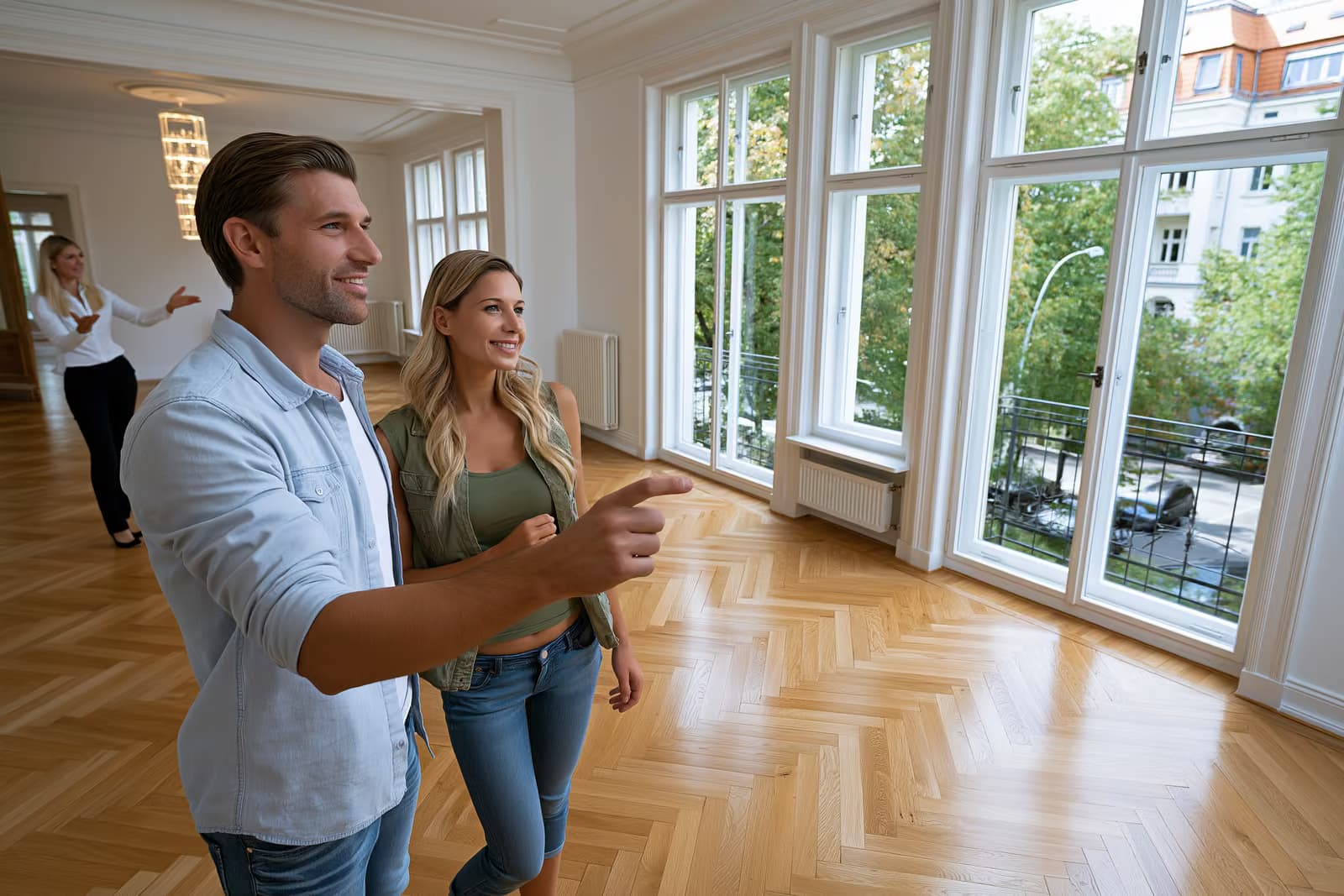
Besichtigung ir apskates tikšanās, un saspringtā tirgū tai ir viena no divām formām. Masveida apskate (Massenbesichtigung) ir divdesmit minūšu ilgs laika posms, kurā četrdesmit cilvēki apmeklē dzīvokli, un tā nav tik daudz apskate, cik filtrēšanas pasākums: saimnieks vai aģents ir klāt, lai savāktu pieteikumu mapes un ātri izveidotu iespaidus. Individuāla tikšanās (Einzeltermin) ir īsta apskate, kas parasti liecina par to, ka tirgus ir brīvāks vai ka jūs jau esat iekļauts kandidātu sarakstā, un tieši tur jūs varat uzdot jautājumus.
Paņemiet līdzi izdrukātu pieteikuma mapi, kā arī sagatavojiet to nosūtīšanai e-pastā. Ierodieties laicīgi, kas Vācijā nozīmē dažas minūtes agrāk. Ģērbieties kā darbā. Esiet gatavi iepazīstināt ar sevi vienā teikumā: ko jūs darāt, kas ievācas un no kad. Ja jūsu vācu valodas zināšanas ir ierobežotas, sakiet to mierīgi vāciski un turpiniet angliski; kompetence un pieklājība ir svarīgākas par tekošu vācu valodas prasmi, un, kā redzēsiet pēc brīža, stingra vācu valodas prasība jebkurā gadījumā ir juridiski apšaubāma.
Izmantojiet apskati, lai apskatītu dzīvokli, ne tikai lai atstātu iespaidu. Pārbaudiet mobilo sakaru pārklājumu un meklējiet Glasfaser (šķiedras) vai kabeļa pieslēgumu, jo interneta pieejamība noteiktā adresē Vācijā nav garantēta. Atveriet logus un meklējiet pelējumu (Schimmel), it īpaši vannas istabas stūros un aiz mēbelēm. Pajautājiet, kāda ir apkures sistēma, un palūdziet parādīt Energieausweis (energosertifikātu), kas jums jāuzrāda saimniekam un kurā norādīts, cik maksās apkure. Pajautājiet, kāds bija pēdējais Nebenkostenabrechnung. Pajautājiet, vai dzīvoklis tiek nodots renovēts vai nerenovēts, un vēlāk saņemiet atbildi rakstiski, jo šis viens vārds maina jūsu juridisko nostāju attiecībā uz remontu. Izmēriet vai vismaz pārbaudiet grīdas platību, jo reklamētā Wohnfläche ne vienmēr ir precīza, un vairāk nekā desmit procentu neatbilstība līgumam tiesas jau sen ir uzskatīta par trūkumu, kas dod tiesības samazināt īres maksu.
Pajautājiet arī, kāpēc iepriekšējais īrnieks aizgāja un cik ilgi viņš palika. Dzīvoklis ar lielu mainību saspringtā tirgū jums kaut ko liecina. Un pajautājiet, kāds bija iepriekšējā īrnieka Kaltmiete, jo, kā paskaidrots tālāk sadaļā Mietpreisbremse, šis skaitlis var būt juridiski noteicošs, un izīrētājam var būt pienākums to jebkurā gadījumā brīvprātīgi samaksāt.
Mieterselbstauskunft: Ko saimnieks drīkst un nedrīkst prasīt
“Mieterselbstauskunft” ir pašatklāšanas veidlapa, ko jums iesniedz izīrētājs, un tieši šeit meklēšana vairs nav etiķetes jautājums, bet gan likuma jautājums. 2024. gada janvārī Vācijas neatkarīgo datu aizsardzības iestāžu konference (Konferenz der unabhängigen Datenschutzaufsichtsbehörden) publicēja oficiālu vadlīniju dokumentu “Orientierungshilfe”, kurā precīzi noteikts, kuri jautājumi ir likumīgi, izīrējot mājokli. Tās pamatprincips ir vienkāršs: izīrētājs drīkst vākt tikai datus, kuriem ir objektīva saistība ar īres tiesībām, un, paša uzņēmuma vārdiem sakot, uz nelikumīgiem jautājumiem nav jāatbild. Veidlapa jūsu rokās nav likums. Šīs vadlīnijas tam ir daudz tuvākas.
Jautājumi, kurus vadlīnijas uzskata par atļautiem, ir tie, kas attiecas uz identitāti un jūsu maksātspēju. Jūsu vārds, uzvārds un adrese. Cilvēku skaits, kas ievācas, un vai tie ir pieaugušie vai bērni. Jūsu profesija un darba devējs. Jūsu neto ienākumi un summa, kas paliek pāri pēc jūsu regulārajām ikmēneša saistībām, lai gan pat šeit jūs varat atbildēt, apstiprinot, ka pārsniedzat noteikto slieksni, nevis nosaucot precīzu skaitli. Vai pret jums ir uzsākta maksātnespējas procedūra, vai esat iesniedzis Vermögensauskunft (zvērētu aktīvu deklarāciju izpildes procesā) un vai pret jums ir izlikšanas dokumenti par īres parādiem. Vai plānojat turēt mājdzīvniekus, ja vien tie nav mazi sprostos turēti dzīvnieki, piemēram, kāmji, viļņpapagaiļi vai zivis, kurām atļauja vispār nav nepieciešama. Un sociālo mājokļu gadījumā - jūsu WBS dati.
Nepieļaujamo jautājumu saraksts ir garāks un noderīgāks. Īpašnieks nedrīkst jautāt jūsu tautību: vadlīnijās ir tieši norādīts, ka šis jautājums nav nepieciešams un tāpēc nav atļauts. Vispārīgi jautājumi par reliģiju, rasi vai etnisko izcelsmi ir nelikumīgi. Jautājumi par kriminālsodāmību un notiekošām kriminālizmeklēšanām ir nelikumīgi, jo vienīgā leģitīmā problēma īres lietā ir jūsu kredītspēja. Jautājumi par laulību plāniem, par grūtniecību un par to, vai vēlaties bērnus, ir nelikumīgi, jo tie pieder pie privātās dzīves kodola; vadlīnijās ir pievienots precīzs juridiskais iemesls, proti, laulātā vai savu bērnu uzņemšanai vispār nav nepieciešama īpašnieka atļauja, jo tuvi ģimenes locekļi nav trešās personas. Nedrīkst jautāt par piederību politiskajai partijai vai īrnieku asociācijai. Tāpat nedrīkst jautāt par jūsu darba stāžu, pamatojoties uz to, ka mobilā sabiedrībā tas neko nepierāda par nākotni. Tāpat nedrīkst jautāt par jūsu ikmēneša saistību iemesliem. Un, ja valsts iestāde tieši maksā jūsu īri, jautājumi par jūsu ienākumiem vispār nav atļauti.
Ir vērts ņemt vērā divus procedūras punktus no tiem pašiem norādījumiem. Īpašnieks var lūgt uzrādīt jūsu Personalausweis vai pasi, lai pārbaudītu jūsu identitāti, un var reģistrēt, ka ir veicis pārbaudi, taču tās kopijas izgatavošana ir nepārprotami nelikumīga. Un piekrišanas lodziņi šajās veidlapās nav derīgs risinājums: varas iestādes apgalvo, ka piekrišana šajā gadījumā nav pareizais instruments un ka piekrišana, kas iegūta, padarot līgumu atkarīgu no tās, nav sniegta labprātīgi un tāpēc nav efektīva.
No visa iepriekšminētā izriet praktisks noteikums, ko vācu juristi raksturo kā Recht zur Lüge jeb tiesības melot. Tā kā uz nelikumīgiem jautājumiem nav jāatbild, nepatiesai atbildei uz nelikumīgu jautājumu nav nekādu seku: izīrētājs vēlāk nevar apstrīdēt līgumu vai to lauzt, pamatojoties uz atbildi, kuru viņam nekad nebija tiesību pieprasīt. Nepatiesa atbilde uz likumīgu jautājumu, galvenokārt par jūsu ienākumiem vai parādiem, ir pavisam cita lieta un var maksāt jums īres maksu. Šo atšķirību ir vērts apgūt tieši tāpēc, ka veidlapa, kurā blakus esošajos lodziņos jautāts par jūsu grūtniecību un algu, aicina jūs uzskatīt abus par līdzvērtīgiem, bet tā nav.
Visbeidzot, jūsu dati nepieder izīrētājam. Vadlīnijās ir skaidri norādīts, ka to pretendentu ieraksti, kuri neiegūst dzīvokli, parasti ir jādzēš sešu mēnešu laikā, un šis periods ir saistīts ar diskriminācijas novēršanas prasību iesniegšanas periodu, un ka izīrētāji, kas uztur “problemātisku” pretendentu melnos sarakstus vai pārbauda jaunus pretendentus, izmantojot saglabātu datubāzi, parasti rīkojas nelikumīgi.
Šūfa un jaunpienācēju problēma
Gandrīz katrs saimnieks konkurētspējīgā tirgū pieprasīs kredītspējas apliecinājumu, un Vācijā tas nozīmē Schufa, valsts dominējošo kredītaģentūru. Šeit jaunpienācēji saskaras ar sienu, kurai nav nekāda sakara ar viņu finansēm: personai, kas pārcēlās uz Vāciju pirms trim mēnešiem, nav Vācijas kredītvēstures, tāpēc viņu failā ir maz vai nekas. Tukša fails nav slikts vērtējums. Taču tā ir prombūtne, ja saimnieks sagaida skaitli, un četrdesmit pieteikumu kaudzē prombūtne zaudē skaitlim.
Izpratne par to, kurš Schufa dokuments tiek pieprasīts, palīdz vairāk, nekā jūs gaidītu. Datenkopie saskaņā ar GDPR 15. pantu ir jūsu likumīgās tiesības saņemt bezmaksas kopiju par visu, kas tiek glabāts par jums, un tas ir pareizais dokuments, lai pārbaudītu, vai jūsu ierakstos nav kļūdu. Tas nav pareizais dokuments, ko dot izīrētājam, un datu aizsardzības iestādes to norāda tieši: izīrētāji to var nepieprasīt, jo tas atklāj daudz vairāk par jūsu finansiālajām iespējām, nekā nepieciešams īres līguma novērtēšanai. Piemērots ir mērķtiecīgi izstrādāts Bonitätsauskunft - kredītspējas ziņojums, kas paredzēts rādīšanai izīrētājiem un kurā ir tikai attiecīgais kopsavilkums. Tas ir maksas produkts. Jūs to pasūtāt un iesniedzat pats; izīrētāja tieša vaicāšana kredītinformācijas aģentūrai par jums ir atļauta tikai šauros apstākļos un nepavisam, ja jau esat iesniedzis pietiekamus pierādījumus.
Viena prasība, no kuras jūs varat vienkārši atteikties, ir Mietschuldenfreiheitsbescheinigung - jūsu iepriekšējā saimnieka izziņa, kas apliecina, ka jums nav īres parādu. Bundesgerichtshof (BGH, Federālā tiesa) 2009. gadā lēma, ka iepriekšējam saimniekam nav pienākuma izsniegt šādu izziņu, un datu aizsardzības iestādes izdara acīmredzamu secinājumu: tā kā to nevar iegūt pamatoti, to nevar pieprasīt no jums. Ja jums tāda ir, noteikti izmantojiet to. Ja tādas nav, sakiet, ka jūsu iepriekšējam saimniekam nav pienākuma to izsniegt, un tā vietā piedāvājiet bankas izrakstus, kuros redzama samaksātā īres maksa.
Ko jūs piedāvājat, ja jūsu Schufa mape ir izretināta? Piedāvājiet to, kas faktiski atbild uz saimnieka uzdoto jautājumu, proti, vai īres maksa tiks samaksāta. Darba līgums (Arbeitsvertrag), kurā norādīta jūsu alga un, ideālā gadījumā, ka tā ir unbefristed (pastāvīga). Jūsu pēdējie trīs algas izraksti (Gehaltsabrechnungen). Bankas izraksti no jūsu mītnes valsts, kuros norādīta laikā samaksāta īres maksa, ar aizkrāsotām neatbilstošajām rindām. Garantija (Bürgschaft) no darba devēja, radinieka vai drauga, kas dzīvo Vācijā, kas bieži vien ir visefektīvākais dokuments, ko jaunpienācējs var iesniegt. Vēstule no darba devēja, kas apstiprina jūsu amatu, kam ir nozīme tirgū, kur darba devēja stabilitāte tiek uzskatīta par īrnieka stabilitāti. Jūs nevarat atrisināt problēmu ar lielāku depozītu, jo, kā paskaidrots nākamajā sadaļā, depozītu ierobežo likums, un šis limits nav apspriežams. Mūsu nodaļa par... kredīti un aizdevumi Vācijā izskaidro pašu Schufa vērtējumu, faila veidošanu un kļūdu labošanu tajā.
Diskriminācija īres tirgū ir reāla, un tā ir nelikumīga
Nav lietderīgi izlikties citādi: pretendenti ar svešvārdiem saņem mazāk ielūgumu uz skatīšanos nekā identiski pretendenti ar vāciski skanošiem vārdiem, un šī tendence ir atkārtoti pierādīta kontrolētos testos. Ja jūs ignorē, problēma patiesībā var nebūt jūsos. Allgemeines Gleichbehandlungsgesetz (AGG, Vispārējais vienlīdzīgas attieksmes likums) to aizliedz, un ir vērts precīzi zināt, ko tas aptver, jo precīza versija ir noderīgāka nekā sauklis.
AGG 19. panta 1. daļa aizliedz diskrimināciju rases, etniskās izcelsmes, dzimuma, reliģijas, invaliditātes, vecuma un seksuālās identitātes dēļ tā sauktajos Massengeschäfte - masveida darījumos, kas daudzos salīdzināmos gadījumos parasti notiek, neņemot vērā personu. 19. panta 2. daļa paredz vēl vairāk attiecībā uz rasi un etnisko izcelsmi, aizliedzot šādu diskrimināciju arī citās civiltiesiskajās attiecībās. Iemesls, kāpēc šī atšķirība ir svarīga, ir 19. panta 5. daļa, kurā teikts, ka dzīvojamo telpu izīrēšana parasti nav Massengeschäft, ja izīrētājs izīrē ne vairāk kā 50 mājokļus. Izlasot šos noteikumus kopā, kļūst skaidrs, ka uz mazu privātu izīrētāju aizsardzība, kas attiecas uz reliģiju, dzimumu, vecumu, invaliditāti un seksuālo identitāti, lielākoties neattiecas, savukārt aizsardzība pret rasu un etnisko diskrimināciju attiecas neatkarīgi no tā, cik dzīvokļu izīrētājam pieder. Federālā diskriminācijas novēršanas aģentūra (Antidiskriminierungsstelle des Bundes) to norāda tāpat. Uz lielu mājokļu uzņēmumu attiecas pilns saraksts.
Ir viens izņēmums, par kuru jums jāzina, jo izīrētāji dažreiz to izmanto. 19. panta (3) daļa pieļauj atšķirīgu attieksmi izīrē, ja tā kalpo sociāli stabilu iedzīvotāju struktūru un līdzsvarotu apmešanās modeļu izveidei un uzturēšanai. Šis ir reāls noteikums, taču tas nav tukšs čeks: datu aizsardzības iestāžu vadlīnijās ir norādīts, ka tam ir nepieciešama saskaņota, dokumentēta mājokļu politikas koncepcija, nevis izīrētāja privātas vēlmes. Izīrētājs, kurš vienkārši nevēlas izīrēt ārzemniekiem, neietilpst šī noteikuma darbības jomā.
Ja jūs diskriminē, AGG piedāvā jums ceļu, un divas tā iezīmes nosaka, vai ceļš ir efektīvs. Pirmā ir 22. sadaļa, kas pārceļ pierādīšanas pienākumu: tiklīdz jūs pierādāt norādes, kas liecina par diskrimināciju aizsargāta iemesla dēļ, otrai pusei ir jāpierāda, ka pārkāpums nav noticis. Tāpēc ir svarīgi vākt pierādījumus un tāpēc testēšana darbojas. Ja jums ir aizdomas, ka jums tiek slēpts sludinājums, ja kāds ar vācu vārdu neilgi pēc tam jautā par to pašu dzīvokli un dokumentē abas atbildes, sajūta pārvēršas par pazīmi. Saglabājiet katru e-pastu, pierakstiet katru telefona zvanu ar tā datumu un laiku, kā arī ekrānuzņēmumus, kas paliek tiešsaistē pēc tam, kad jums tika paziņots, ka tie ir paņemti. Tomēr nefabricējiet dokumentus; Pretdiskriminācijas aģentūras vadlīnijas brīdina, ka dokumentu viltošana ir kriminālpārkāpums, un neiesaka testēšanā iesniegt fiktīvus dokumentus.
Otra izšķiroša iezīme ir 21. panta (5) daļa: prasības jāiesniedz divu mēnešu laikā. Tas ir īss termiņš, un tāpēc daudzas pamatotas sūdzības netiek izskatītas. Šajā laika posmā jūs varat pieprasīt diskriminācijas pārtraukšanu, iesniegt prasību par aizliegumu, ja pastāv bažas par lielāku pārkāpuma pakāpi, pieprasīt zaudējumu atlīdzību un naudas kompensāciju par jūsu personības tiesību pārkāpumu. Parasti jūs nevarat piespiest saimnieku piešķirt jums konkrēto dzīvokli. Summas nav niecīgas: Diskriminācijas apkarošanas aģentūra dokumentē Berlīnes lietu, kurā tiesa piesprieda 30 000 eiro, pa 15 000 katram no diviem prasītājiem, kur saimnieks selektīvi paaugstināja īres maksu turku, arābu un musulmaņu mājsaimniecībām, tiesai skaidri norādot, ka šai summai vajadzētu būt preventīvai iedarbībai. Tajā pašā avotā ir minēta lieta, kurā saimnieka prasība, lai pretendenti runātu vācu valodā, tika uzskatīta par iespējamu netiešu diskrimināciju izcelsmes dēļ, pamatojoties uz to, ka tā izslēgtu ikvienu jaunpienācēju no mājokļu tirgus.
Praktiski nesāciet ar tiesas prāvu. Sazinieties ar Antidiskriminierungsstelle des Bundes vietnē antidiskriminierungsstelle.de, kas sniedz bezmaksas konsultācijas, vai vietējo Antidiskriminierungsberatungsstelle. Daudzās pilsētās ir arī “Fair mieten” konsultāciju dienests, kas īpaši paredzēts mājokļu jautājumiem. Divu mēnešu pulksteņa dēļ zvaniet pirmajā nedēļā, nevis pēc tam, kad esat beidzis dusmoties.
Pirms parakstīšanas izlasiet Mietvertrag
Mietvertrag (īres līgums) parasti ir standarta veidlapa, un Vācijā standarta veidlapas ir pakļautas stingrai tiesas kontrolei, kas nozīmē, ka pārsteidzoši daudz apgrozībā esošo klauzulu ir spēkā neesošas. Sāciet ar pamata sadalījumu. Nenoteikta termiņa līgums (unbefristeter Mietvertrag) ir parasts gadījums, un tas ir spēkā, līdz kāds to izbeidz. Uz noteiktu laiku noslēgts līgums (befristeter Mietvertrag) automātiski beidzas noteiktā datumā.
Šeit sākotnējais padoms, ko sniedz lielākā daļa ceļvežu, ir nepareizs, un ir vērts uzmanīgi izlasīt BGB 575. pantu. Izīrētājs nedrīkst vienkārši izvēlēties piedāvāt fiksētu termiņu. Noteikts termiņš ir spēkā tikai tad, ja parakstīšanas brīdī un rakstiski izīrētājs norāda vienu no tieši trim likumā noteiktajiem iemesliem: ka viņš vēlas īpašumu sev, savai ģimenei vai mājsaimniecībai; ka viņš plāno to nojaukt, būtiski pārveidot vai remontēt tādā veidā, ko turpmāka īres līguma izpilde nopietni traucētu; vai ka viņš plāno to izīrēt kādam, kam ir pienākums sniegt pakalpojumus. Ja šāds iemesls rakstiski nav norādīts, likums nosaka, ka īres līgums vienkārši tiek uzskatīts par noslēgtu uz nenoteiktu laiku. Citiem vārdiem sakot, neizskaidrots fiksēts termiņš nesaīsina jūsu īres līgumu; tas vienkārši nedarbojas. Ja pastāv īsts fiksēts termiņš, jūs varat pieprasīt, lai izīrētājs mēneša laikā apstiprina, vai iemesls joprojām ir spēkā, un, ja tas ir zudis, jūs varat pieprasīt pagarinājumu uz nenoteiktu laiku.
Lielākajā daļā rokasgrāmatu paziņošanas termiņi ir tikpat nepareizi aprakstīti. Saskaņā ar BGB 573.c pantu paziņojums, kas iesniegts līdz mēneša trešajai darba dienai, stājas spēkā aiznākamā mēneša beigās, kas ir ierastais trīs mēnešu termiņš. Izīrētāja, nevis jūsu, termiņš pagarinās līdz ar īres līguma termiņu: tas pagarinās par trim mēnešiem pēc pieciem gadiem un vēl par trim mēnešiem pēc astoņiem gadiem, iegūstot trīs, sešus un deviņus mēnešus. Jūsu termiņš visam īres līgumam paliek trīs mēneši. Un 573.c(4) pants padara jebkuru vienošanos, kas no tā atkāpjas jums neizdevīgā veidā, par spēkā neesošu, tāpēc klauzula, kas paredz jūs saistīt ar sešu vai divpadsmit mēnešu iepriekšēju paziņošanu parastā beztermiņa īres līgumā, nav spēkā. Pašai līguma izbeigšanai ir jābūt rakstiskai saskaņā ar BGB 568. pantu, kas nozīmē parakstītu papīra vēstuli; e-pasts to neapmierina. Ierakstīta vēstule nav juridisks nosacījums, tikai saprātīgs pierādījums. Atsevišķi 550. pants paredz, ka īres līgums, kas ilgāks par vienu gadu un nav rakstiskā formā, tiek uzskatīts par beztermiņa līgumu, lai gan to nevar izbeigt agrāk kā vienu gadu pēc īpašuma nodošanas ekspluatācijā.
Īpašnieka iespējas izbeigt jūsu īres līgumu ir ievērojami ierobežotas un parasti ir nepieciešamas leģitīmas intereses (berechtigtes Interesse), visizplatītākā ir Eigenbedarf - īpašnieka paša vajadzība pēc dzīvokļa sev vai tuviem ģimenes locekļiem. Eigenbedarf ir jābūt īpaši pamatotam un to var apstrīdēt, un, ja izrādās, ka tas ir safabricēts, īpašnieks var būt atbildīgs par zaudējumu atlīdzību. Šis ir Vācijas īrnieku aizsardzības pamatprincips un iemesls, kāpēc Vācijas īres līgums ir vērts saglabāt.
Pievērsiet uzmanību trim klauzulu saimēm. Staffelmiete (pakāpeniskā īres maksa) saskaņā ar BGB 557.a pantu nosaka pieaugumu iepriekš; katrs līmenis jānorāda eiro summā, nevis procentos, katram līmenim jāpaliek spēkā vismaz gadu, parastais pieaugums vietējā salīdzināmajā īres maksā ir izslēgts, kamēr tas ir spēkā, un jūsu tiesības lauzt līgumu var tikt izslēgtas uz ne vairāk kā četriem gadiem. Indexmiete (indeksa īres maksa) saskaņā ar 557.b pantu saista īres maksu ar patēriņa cenu indeksu, ko publicē Statistikas pārvalde (Statistisches Bundesamt); tam jāpaliek spēkā arī vienu gadu, parastais pieaugums nav izslēgts, un katras izmaiņas ir jādeklarē Textform formātā, parādot indeksa kustību un summu. Parastais īres pieaugums vietējā salīdzināmajā īres maksā (ortsübliche Vergleichsmiete) tiek veikts saskaņā ar 558. pantu: īres maksai jābūt nemainīgai piecpadsmit mēnešus, un Kappungsgrenze (ierobežojums) pieļauj maksimāli 20 procentus trīs gadu laikā, kas tiek samazināts līdz 15 procentiem apgabalos, ko federālā zeme ir noteikusi par ierobežotiem. Lielākā daļa ceļvežu min skaitli 20 un izlaiž skaitli 15, kas ir skaitlis, kas attiecas tieši uz tām pilsētām, kurās jūs, visticamāk, lasīsiet šo tekstu.
Kaution: Trīs mēneši un jūsu tiesības maksāt trīs daļās
Drošības naudu (Kaution) regulē BGB 551. pants, un gandrīz katrs populārs tās apraksts ir smalki nepareizs. Likumā teikts, ka drošības nauda nedrīkst pārsniegt trīs reizes lielāku mēneša īres maksu, neieskaitot Betriebskosten, kas norādīta kā vienreizējs maksājums vai avansa maksājums. Seko divas lietas. Pirmkārt, trīs mēneši ir griesti, nevis standarts: saimnieks var prasīt mazāk, un nekas nedod viņam tiesības prasīt vairāk neatkarīgi no tā, cik vāja ir jūsu Schufa lieta vai cik ļoti jūs vēlaties dzīvokli. Otrkārt, reizinātājs attiecas uz Kaltmiete, nevis Warmmiete, tāpēc saimnieks, kas aprēķina trīs reizes lielāku silto īri, no jums pārmaksā.
Tad nāk noteikums, par kuru jaunpienācēji visbiežāk nezina, ka viņiem tas ir. 551. panta 2. daļa dod jums tiesības iemaksāt depozītu trīs vienādos mēneša maksājumos. Pirmais maksājums jāveic īres līguma sākumā, bet pārējie divi maksājami kopā ar nākamajiem diviem īres maksājumiem. Tās ir jūsu tiesības, nevis piekāpšanās sarunās: līguma klauzula, kas pieprasa visu summu uzreiz, ir atkāpe jums neizdevīgā stāvoklī, un 551. panta 4. daļa padara jebkuru šādu atkāpi par spēkā neesošu. Ņemot vērā, ka jūs vienlaikus maksājat par pārcelšanos, bieži vien iegādājaties virtuvi un, iespējams, joprojām maksājat īri kaut kur citur, depozīta sadalīšana trīs mēnešu laikā ir īstas naudas vērta tieši tajā brīdī, kad jums ir vismazāk laika.
Īpašnieka pienākumi ir tikpat konkrēti. Saskaņā ar 551. panta (3) daļu nauda jāiemaksā bankā ar noguldījumiem paredzēto likmi, iesniedzot trīs mēnešu iepriekšēju paziņojumu, vai citā formā, ja jūs tam piekrītat, un abos gadījumos tā jāglabā atsevišķi no īpašnieka aktīviem. Šī atdalīšana aizsargā jūsu noguldījumu, ja īpašnieks kļūst maksātnespējīgs. Ienākumi pieder jums un palielina noguldījuma summu. Studentu un jauniešu mītnes ir atbrīvotas no pienākuma maksāt procentus. Ja jūsu īpašnieks lūdz jūs pārskaitīt noguldījumu uz viņa parasto norēķinu kontu, viņš apraksta kārtību, ko likums neatļauj.
Alternatīva, kas ir vērts zināt, ir Mietkautionsbürgschaft - bankas vai apdrošinātāja nodrošināta depozīta garantija: jūs maksājat nelielu gada prēmiju, un viņi garantē summu, tāpēc jūsu nauda paliek pie jums. Tā maksā naudu, ko jūs nekad neatgūsiet, un saimniekam ir jāpiekrīt to pieņemt, taču jaunpienācējam, kuram viena mēneša laikā jāiemaksā depozīts, jāizīrē virtuve un jāpārceļas, dažreiz tas ir izšķirošs faktors, vai īrēt dzīvokli vai nē.
Īres līguma beigās drošības nauda tiek atgriezta, tiklīdz izīrētājam ir bijis saprātīgs laiks, lai pārbaudītu dzīvokli un nokārtotu nesamaksātās prasības. Šim periodam nav likumā noteikta ilguma, un tiesas ir pieņēmušas jebkuru termiņu no trim līdz sešiem mēnešiem, ilgāku, ja neizskatīts Nebenkostenabrechnung pamato proporcionālas daļas paturēšanu. Izīrētājs nedrīkst to paturēt normāla nolietojuma segšanai, ko sedz īres maksa.
Mietpreisbremse: Ko tas ierobežo un kur
Īres bremze (Mietpreisbremse) ierobežo to, ko izīrētājs drīkst iekasēt no jauna īrnieka. Saskaņā ar BGB 556.d pantu apgabalā ar saspringtu mājokļu tirgu īres maksa īres līguma sākumā nedrīkst pārsniegt ortsübliche Vergleichsmiete ne vairāk kā par 10 procentiem. Vietējo salīdzināmo īres maksu parasti norāda Mietspiegel - oficiālajā īres indeksā, ko publicē lielākā daļa pilsētu.
Tā statuss ir lieta, ko lielākā daļa ceļvežu tagad kļūdās, abos virzienos. Šis noteikums neattiecas visur automātiski. Tas attiecas tikai uz gadījumiem, kad jūsu federālās zemes valdība ir izdevusi Rechtsverordnung (likumā noteiktu rīkojumu), kas nosaka attiecīgo teritoriju, tāpēc tas ir saistošs Minhenes centrā un nav saistošs lielākajā daļā lauku rajonu. Šiem rīkojumiem bija jābeidzas 2025. gada beigās, un Bundestāga pieņemtais pagarināšanas likums, ko Bundesrāts apstiprināja 2025. gada 11. jūlijā un kas stājās spēkā 2025. gada 23. jūlijā, tos pagarināja par četriem gadiem. Tagad likumā ir teikts, ka rīkojumam jāzaudē spēks ne vēlāk kā 2029. gada 31. decembra beigās. Tātad Mietpreisbremse ir spēkā, un jebkura lapa, kurā norādīts, ka tas zaudē spēku 2025. gadā, ir novecojusi. Tomēr pievērsiet uzmanību precīzajam formulējumam: 2029. gads ir šo rīkojumu galīgais termiņš, un atsevišķas federālās zemes rīkojums var beigties ātrāk.
Izņēmumi ir tur, kur nauda faktiski atrodas. Saskaņā ar 556.e pantu, ja iepriekšējais īrnieks jau maksāja vairāk nekā noteiktā maksimālā robeža, šī augstākā Vormiete maksa var tikt iekasēta vēlreiz, un, ja izīrētājs trīs gadu laikā pirms jūsu īres līguma sākuma ir veicis modernizāciju, maksimālā robeža attiecīgi palielinās. Saskaņā ar 556.f pantu maksimālā robeža vispār neattiecas uz mājokli, kas pirmo reizi izmantots un izīrēts pēc 2014. gada 1. oktobra, kas būtībā atbrīvo visu jaunbūvi, un ne 556.d, ne 556.e pants neattiecas uz pirmo īri pēc visaptverošas modernizācijas.
556.g pants ir tā daļa, kas to no teorijas pārvērš ietekmes efektā. Ja izīrētājs atsaucas uz kādu no šiem izņēmumiem, viņam pirms līguma deklarācijas iesniegšanas bez iepriekšēja brīdinājuma teksta formātā ir jāpaziņo, kurš izņēmums ir piemērojams un kāda bija iepriekšējā īres maksa. Izīrētājs, kurš nesniedz šo informāciju, nevar atsaukties uz izņēmumu vispār, un tas, kurš to sniedz novēloti, var atsaukties tikai divus gadus vēlāk. Ja īres maksa ir pārāk augsta, jums ir jāiesniedz iebildums teksta veidā, ko likums sauc par Rüge; pēc tam jūs varat atgūt pārmaksu. Rīkojieties ātri, jo, ja jūs iebildat vairāk nekā 30 mēnešus pēc īres līguma sākuma vai pēc tā beigām, jūs varat atgūt tikai to īres maksu, kas kļuvusi maksājama pēc jūsu iebilduma iesniegšanas. Un ievērojiet vienu detaļu, kas pārsteidz cilvēkus ar pakāpeniskām īres maksām: saskaņā ar 557.a(4) pantu Mietpreisbremse attiecas uz katru darbinieku, ne tikai uz pirmo, savukārt saskaņā ar 557.b(4) pantu tā attiecas tikai uz indeksa īres sākuma maksu.
Lai celtu prasību par īri, nav nepieciešams advokāts, un tā nedod izīrētājam tiesības veikt pretpasākumus; joprojām ir spēkā parastā īrnieku aizsardzība. Praksē pirmais zvans ir jāvēršas vietējā īres lietu tiesā, jo viņi jūsu vietā pārbaudīs īres maksas salīdzinājumu, kā arī tāpēc, ka šie strīdi faktiski tiek uzvarēti vai zaudēti, pamatojoties uz salīdzināmās īres maksas aritmētisko apmēru.
Schönheitsreparaturen: klauzulas, kas nav spēkā
Dekoratīvais remonts (Schönheitsreparaturen) nozīmē sienu un griestu krāsošanu, radiatoru, iekšdurvju un logu apstrādi no iekšpuses: kosmētiskie darbi, nevis strukturālie remonti. BGB 535. panta (1) daļa pēc noklusējuma nosaka, ka tas ir izīrētāja pienākums, jo izīrētājam ir jānodod dzīvoklis tādā stāvoklī, kas atbilst līgumam, un jāuztur tas šādā stāvoklī. Izīrētāji nodod darbu īrniekiem saskaņā ar līguma klauzulām, un tiesas divas desmitgades ir atcēlušas šīs klauzulas.
Visvērtīgākais lēmums jaunpienācējiem tika pieņemts no BGH 2015. gada 18. martā. Ja dzīvoklis tiek nodots neremontēts, standarta klauzula, kas īrniekam uzliek par pienākumu veikt dekoratīvos remontdarbus bez atbilstošas kompensācijas, ir spēkā neesoša, jo tā uzliktu īrniekam pienākumu noņemt iepriekšējā īrnieka nolietoto apģērbu un atdot dzīvokli labākā stāvoklī, nekā tas tika saņemts. Tajā pašā dienā tiesa lēma, ka Quotenabgeltungsklauseln, klauzulas, kas liek aizejošajam īrniekam segt daļu no vēl nepabeigto dekorēšanas intervālu izmaksām, parasti ir spēkā neesošas, jo īrnieka daļu nevar droši aprēķināt iepriekš. Arī klauzulas ar starre Fristen, stingriem dekorēšanas termiņiem, kas neņem vērā dzīvokļa faktisko stāvokli, jau sen ir spēkā neesošas. Kad šāda klauzula zaudē spēku, tā zaudē spēku pilnībā: pienākums nesamazinās līdz saprātīgai versijai, tas atgriežas izīrētājam saskaņā ar 535. pantu.
BGH 2020. gada 8. jūlijā pievienoja turpinājumu, kas ir vērts zināt. Ja jums tika piešķirts neremontēts dzīvoklis un klauzula ir spēkā neesoša, jūs faktiski varat pieprasīt, lai saimnieks veiktu remontu, tiklīdz stāvoklis ir ievērojami pasliktinājies salīdzinājumā ar ievākšanos, bet, tā kā jauns remonts dod jums labāku dzīvokli, nekā jums bija jāmaksā saskaņā ar līgumu, jums ir jāsedz izmaksas, kas, pēc tiesas teiktā, parasti nozīmē pusi.
Divas blakus esošas klauzulas ir pelnījušas tādu pašu skepsi. Endrenovierungsklausel, kas liek jums izdekorēt māju, aizbraucot, neatkarīgi no stāvokļa vai uzturēšanās ilguma, ir spēkā neesoša. Kleinreparaturenklausel, kas liek jums segt nelielus remontdarbus, var būt derīga, bet tikai tiesu noteiktos ierobežojumos: nav likumā noteiktas summas, bet klauzulai ir jāierobežo gan viena remonta izmaksas, gan kopējās izmaksas gadā, un tā var attiekties tikai uz priekšmetiem, kuriem jūs regulāri pieskaraties un kurus lietojat. Svarīgi ir tas, ka tā nekad nedrīkst pieprasīt jums ieguldīt remontā, kas pārsniedz ierobežojumu; klauzula, kas liek jums segt pirmos simts eiro no deviņsimt eiro vērta remonta, ir spēkā neesoša. Tā kā neviens no šiem skaitļiem nav noteikts likumā, skaitlis jūsu līgumā nav pašapstiprinošs, un tieši šāda veida klauzula ir vērts izlasīt Mieterverein.
Turpmāk sniegtā praktiskā instrukcija ir īsa: pierakstiet vārdus “renoviert” vai “unrenoviert” nodošanas protokolā un ievācoties visu nofotografējiet. Tas, vai dzīvoklis nodošanas brīdī nebija renovēts, ir fakts, kas pēc gadiem izšķir visu jautājumu, un šo faktu neviens nevar rekonstruēt bez pierādījumiem.
Übergabe un Übergabeprotokolls
Übergabe ir nodošanas/nodošanas dokuments, un Übergabeprotokoll (nodošanas/nodošanas protokols) ir dokuments, ko jūs un izīrētājs parakstāt nodošanas/nodošanas dienā. Tā ir lētākā apdrošināšana Vācijas īres tiesībās, un tās izlaišana ir visdārgākā kļūda, ko pieļauj jauns īrnieks, jo tieši šis dokuments pēc gadiem izlemj, vai skrāpējums uz grīdas bija jūsu.
Pierakstiet elektrības, gāzes, ūdens un apkures skaitītāju rādījumus (Zählerstände), norādot arī skaitītāju numurus, jo no tiem sākas jūsu komunālo pakalpojumu rēķini. Pierakstiet saņemto atslēgu skaitu katrām durvīm, pastkastītei un pagrabam. Pierakstiet katru atrasto defektu (Mangel), lai cik mazs tas būtu: nošķeltas flīzes, saskrāpēta darba virsma, logs, kas neaizveras, traips uz parketa, pelējuma pēdas. Nofotografējiet katru no tiem un kopumā nofotografējiet dzīvokli, pievienojot laika zīmogu. Protokolā norādiet, vai dzīvoklis tiek nodots renovēts vai nerenovēts. Abas puses parakstās, un jūs paturat kopiju.
Defekta reģistrēšana nodošanas brīdī dara divas lietas vienlaikus. Tas aizsargā jūsu iemaksu, jo defektu, kas reģistrēts pirmajā dienā, nevar atskaitīt no jūsu depozīta pēdējā dienā. Un tas saglabā jūsu tiesības to novērst, jo saskaņā ar 535. pantu izīrētājs jums ir parādā dzīvokli līgumā noteiktajā stāvoklī, un saskaņā ar 536. pantu īres maksa tiek samazināta saskaņā ar likumu tik ilgi, kamēr defekts būtiski pasliktina lietošanu, un jebkura pretēja vienošanās dzīvojamās telpas īres attiecībās ir spēkā neesoša. Izpildiet to pašu protokolu, kad aizejat, un pieprasiet to pat tad, ja izīrētājs norāda, ka tas nav nepieciešams.
Komunālo pakalpojumu iestatīšana pēc ievākšanās
Elektroenerģijas (Strom) un, ja jums tā ir individuāli iegādāta, gāzes līgumi ir jūsu pašu parakstīti, un Vācijas tirgus ir pilnībā liberalizēts, tāpēc varat izvēlēties jebkuru piegādātāju. Ja neko nedarīsiet, jūs automātiski piegādās vietējais pamatpiegādātājs (Grundversorger) par Grundversorgung tarifu, kas ir likumīgs un uzticams, un parasti ir viens no dārgākajiem variantiem. Šis noklusējums ir drošības tīkls, nevis plāns. Salīdzināšanas portāli, piemēram, Verivox un Check24, ir ierasts salīdzināšanas veids, lai gan tie ir komerciāli starpnieki, un to rangs atspoguļo gan komisijas maksas, gan cenu. Neatkarīgi no jūsu izvēles, reģistrējoties nosūtiet savu Zählerstand, sekojiet līdzi līguma termiņam (Vertragslaufzeit) un paziņojuma termiņam (Kündigungsfrist), un ņemiet vērā, ka pirmā gada cenā bieži vien ir iekļauta prēmija, kas neatkārtojas. Norēķini notiek ar ikmēneša iemaksu (Abschlag) pret tāmi, kas tiek norēķināta reizi gadā Jahresabrechnung.
Ūdens (Wasser) un notekūdeņi (Abwasser) nav tirgus. Tos piegādā jūsu vietējais Stadtwerke vai pašvaldības komunālo pakalpojumu uzņēmums, un nav no kā izvēlēties piegādātāju; izmaksas parasti tiek segtas, izmantojot jūsu Nebenkosten. Atkritumu savākšana (Müllabfuhr) darbojas tāpat - to organizē pašvaldība, un rēķini tiek aprēķināti, izmantojot Nebenkosten, ar šķirošanas noteikumiem, kas dažādās pilsētās atšķiras un kuriem ir lielāka sociālā ietekme, nekā jūs gaidāt. Apkure ir vai nu centrāli ēkai, un tādā gadījumā par to tiek aprēķināts, izmantojot Nebenkosten, un to galvenokārt sadala pēc izmērītā patēriņa, vai arī individuāli jūsu dzīvoklim, un tādā gadījumā tā tiek segta ar jūsu pašu gāzes vai elektrības rēķinu.
Internets ir tas, kas jāsāk agri. Uzstādīšana parasti aizņem vairākas nedēļas, dažreiz ilgāk, ja līnijai ir nepieciešams remonts vai vispirms ir jāizbeidz iepriekšējā īrnieka līgums, un bieži vien pēc ievākšanās mēnesi nav interneta. Pasūtiet to līguma parakstīšanas dienā, nevis pārcelšanās dienā. Līguma termiņš parasti ir 12 vai 24 mēneši.
Visbeidzot, Rundfunkbeitrag (apraides nodeva), kas finansē sabiedrisko apraidi un ir jāmaksā katrai mājsaimniecībai neatkarīgi no tā, vai jums pieder televizors vai jūs to kādreiz skatāties. Tā tiek iekasēta par katru mājokli, nevis par katru personu, tāpēc koplietošanas dzīvokļa gadījumā maksa tiek iekasēta vienreiz starp visiem, nevis vienu reizi katram, par ko ir vērts vienoties ar saviem dzīvokļa biedriem laicīgi. Saskaņā ar rundfunkbeitrag.de datiem, tā pašlaik ir 18,36 eiro mēnesī. Jums tā nav jāmeklē: tā jūs atrod automātiski, jo reģistrācijas iestādes nodod tālāk jaunās reģistrācijas. Mūsu nodaļa par komunālo pakalpojumu iestatīšana detalizēti izpēta katru no šiem līgumiem.
Pagaidu mājokļi un adrešu trūkums
Lielākā daļa cilvēku pirms ierašanās neatrod pastāvīgu dzīvokli, un ir jāpārvar laika sprīdis starp ierašanos un līguma parakstīšanu. Šī problēma nav tikai mājokļa problēma. Tā ir reģistrācijas problēma, jo Anmeldung, obligāta jūsu adreses reģistrācija, prasa Wohnungsgeberbestätigung, rakstisku apstiprinājumu no personas, kas nodrošina jūsu mājokli, un bez Anmeldung jūsu nodokļu maksātāja numurs, jūsu bankas konts un jūsu uzturēšanās atļauja ir beigušies. Tātad jautājums ir ne tikai par to, kur jūs gulēsiet, bet arī par to, vai šī vieta jums izsniegs veidlapu. Mūsu nodaļa par reģistrācija (Anmeldung) un juridiskā dokumentācija detalizēti aplūkota veidlapa, divu nedēļu termiņš un secības problēma.
Pagaidu apakšīre (Zwischenmiete) parasti ir labākā atbilde. Kāds aizbrauc uz dažiem mēnešiem un izīrē savu mēbelēto dzīvokli, parasti izmantojot WG-Gesucht vai Kleinanzeigen. Tas ir lētāk nekā apkalpots dzīvoklis, tas tiek pārdots mēbelēts, un tas ļauj iepazīties ar apkārtni pirms apņemšanās. Ir jāņem vērā divi piesardzības pasākumi. Pārbaudiet, vai galvenajam īres devējam (Hauptmieter) faktiski ir izīrētāja rakstiska atļauja apakšīrei, jo neatļauta apakšīre apdraud jūs abus. Saskaņā ar BGB 553. pantu īrnieks, kuram pēc parakstīšanas rodas likumīgas intereses, var pieprasīt atļauju izīrēt daļu mājokļa trešajai personai, un jebkura vienošanās par pretējo ir spēkā neesoša, tāpēc parasti ir iespējams iegūt pareizi organizētu apakšīri; galvenais īres devējs, kurš nav pacenties pajautāt, ir brīdinājuma zīme. Un pirms maksāšanas pārliecinieties, ka viņš nodrošinās Wohnungsgeberbestätigung.
Apkalpotie dzīvokļi ir mēbelētas vienības ar iekļautiem komunālajiem pakalpojumiem, internetu un bieži vien arī tīrīšanu, kuras var rezervēt uz nedēļu vai mēnesi, un tās ir dārga, bet uzticama iespēja: tās jūs reģistrēs bez iebildumiem, un jūs varat rezervēt no ārzemēm pirms ierašanās. Tādi pakalpojumu sniedzēji kā City Residences, Wunderflats un Homelike specializējas tieši šajā segmentā. Īstermiņa platformas, piemēram, Airbnb, darbojas dažas dienas, taču tās neatbilst šim robam, daļēji tāpēc, ka cenas par nakti soda par ilgstošu uzturēšanos, daļēji tāpēc, ka vairākas Vācijas pilsētas ierobežo īstermiņa īri saskaņā ar Zweckentfremdungsverbot noteikumiem, un daļēji tāpēc, ka daudzi saimnieki neparaksta Wohnungsgeberbestätigung. Hosteļi un budžeta viesnīcas ir piemērotas divām nedēļām un jūs nereģistrēs. Studentiem un praktikantiem vajadzētu apskatīt vietējās Studierendenwerk pārvaldītās Studierendenwohnheime, kas ir lētākā iespēja valstī un kurām ir atbilstoši gaidīšanas saraksti, tāpēc piesakieties, tiklīdz jums ir uzņemšanas vēstule. Mūsu nodaļa par... pagaidu mājokļu risinājumi sīkāk salīdzina šīs iespējas.
Šajā kategorijā ir juridisks slazds, kas ir pelnījis atsevišķu rindkopu. Mājokļa izīrēšana tikai īslaicīgai lietošanai, ko apgalvo sludinājumi “Wohnen auf Zeit”, BGB 549. panta 2. daļa ir atdalīta no trim veseliem aizsardzības elementiem vienlaikus: Mietpreisbremse, īres maksas paaugstināšanas noteikumiem un aizsardzības pret līguma izbeigšanu. Studentu un jauniešu mājas līdzīgi ir atdalītas ar 549. panta 3. daļu. Tāpēc mēbelētus īstermiņa dzīvokļus var reklamēt par īres maksām, kas parastā īres gadījumā būtu acīmredzami nelikumīgas. Tas, vai īre patiešām ir īslaicīga, ir atkarīgs no faktiski saskaņotā mērķa, nevis no izīrētāja piešķirtās etiķetes, un līgums, kas aprakstīts kā pagaidu, bet paredzēts kā jūsu parasta mājvieta, automātiski nav ārpus aizsardzības. Taču neparakstiet “Wohnen auf Zeit” līgumu, iedomājoties, ka jums ir parasta īrnieka tiesības, un, pats galvenais, neuztveriet pagaidu īri kā ilgtermiņa risinājumu.
Viena lieta, ko nedrīkst darīt, lai cik vilinoša tas arī nebūtu: nekad nereģistrēties adresē, kurā patiesībā nedzīvojat. Scheinanmeldung jeb fiktīva reģistrācija ir pārkāpums, un naudas sods par to sasniedz 50 000 eiro, un ikviens, kas piedāvā pārdot adresi dokumentu noformēšanai, piedāvā jūs iesaistīt šajā pārkāpumā.
Īres krāpniecība un kā to atpazīt
Stingrs tirgus ar izmisušiem jaunpienācējiem piesaista krāpniekus, un krāpniecības shēmas ir pietiekami šabloniskas, lai tās būtu vērts uzskaitīt pēc formas, nevis stāsta. Atkārtota shēma ir dzīvoklis, kura cena ir ievērojami zemāka par tirgus cenu, īpašnieks, kurš ērti atrodas ārzemēs, paskaidrojums, kāpēc apskate šobrīd nav iespējama, un naudas pieprasījums, pirms esat kaut ko apskatījis: depozīts, pirmā mēneša maksa, "rezervācijas maksa" vai pārskaitījums, lai pierādītu, ka jums ir līdzekļi, dažreiz maskējoties kā darījumu konts vai novirzīts caur labi pazīstamas platformas viltotu versiju. Atslēgas tiks nosūtītas pa pastu, tiklīdz maksājums būs saņemts. Tās nekad netiek nosūtītas.
Noteikumi, kas to visu apiet, ir vienkārši. Nekad nepārskaitiet naudu, pirms neesat apskatījis dzīvokli klātienē, ticies ar izīrētāju vai aģentu un parakstījis līgumu. Nekad nemaksājiet Kaution skaidrā naudā un nekad nemaksājiet to pirms līguma noslēgšanas. Ņemiet vērā, ka WoVermRG 2. panta 4. punkts aizliedz aģentam pieprasīt vai pieņemt avansa maksājumus, tāpēc naudas pieprasījums avansa veidā no jebkuras personas, kas sevi dēvē par aģentu, ir ne tikai aizdomīgs, bet arī likumā noteiktā kārtībā nepieņemams. Nesūtiet pases, algas lapu vai Schufa ziņojuma skenētas kopijas kādam, kurš jums vēl nav parādījis dzīvokli. Ja pats nevarat apmeklēt apskati, nosūtiet draugu, nevis pieņemiet video apskati kā aizvietotāju. Veiciet sludinājuma fotogrāfiju apgriezto attēlu meklēšanu, jo zagtas fotogrāfijas ir vislētākā operācijas daļa. Un uztveriet pašu steidzamību kā brīdinājuma zīmi: spiediens izlemt šodien nav tirgus iezīme, bet gan krāpšanas mehānisms.
Rīki, kas palīdz atrast izmitināšanu
Liela daļa no šajā nodaļā aprakstītā galu galā ir aritmētika un dokumentācija: vai šī īres maksa patiešām ir likumīga, vai šī depozīta prasība nepārsniedz likumā noteikto maksimālo apjomu, vai šajā Nebenkostenabrechnung ir priekšmeti, kas tajā ietilpst, un vai grīdas platība ir tāda, kā norādīts līgumā. Werkzeu.ge ir pārlūkprogrammā balstīta rīku platforma tieši šāda veida vācu birokrātijai, un to ir izveidojis Cryon UG, uzņēmums, kas veido WeLiveIn.de, tāpēc uztveriet to kā ieinteresētās personas ieteikumu un vērtējiet to pēc tā, vai tas darbojas. Vispirms ir vērts atklāti pateikt vienu lietu: lielākā daļa mājokļu rīku ir maksas Plus līmenī, nevis bezmaksas līmenī.
Tie, kas attiecas uz šo nodaļu, ir Mietpreisbremse pārbaude, kas salīdzina pieprasīto īres maksu ar vietējo salīdzināmo īres maksu; Kautions-Rehners, kas nosaka likumīgo depozīta maksimālo apmēru un iemaksu apmērus; Nepieprasīt pirkumu, lai pārbaudītu gada pārskatu atbilstoši tam, ko BetrKV faktiski atļauj; Pārrobežu protokolu ģenerators, kas ģenerē iepriekš aprakstīto nodošanas protokolu; Wohnflächen-Checker, lai pārbaudītu apgalvojumu par grīdas platību; Mieter-Suite, kas apvieno vairākus no tiem; Mietvertrag veidotājs, galvenokārt noderīgi, ja jūs izīrējat īpašumu, piemēram, apakšīrējat istabu; un Miete pret Kaufu, ja jūs kādreiz nonākat līdz brīdim, kad salīdzinat īri ar pirkšanu. Visi astoņi atrodas Plus līmenī. Šūfas pašpalīdzības padome Rīks, kas sagatavo vācu valodas pieprasījuma vēstuli jūsu kredītvēsturei, arī ir Plus, un ir vērts atkārtot, ka pamatā esošā Schufa Datenkopie ir bez maksas saskaņā ar likumu, lai gan vēstuļu sagatavošanas rīks tāds nav.
Divi ir bez maksas. Formularamt ir lietojama bez jebkāda konta un satur tūkstošiem oficiālu federālu, štatu un pašvaldību veidlapu, katrai no kurām ir avota saite, izguves datums un statuss, aizpildītas jūsu pārlūkprogrammā; tur jūs atradīsiet Wohngeld un WBS dokumentus, kā arī daudz ko citu. Vohngelda-Rehnere, mājokļa pabalsta aprēķināšanai, ir bez maksas, bet tam ir nepieciešams bezmaksas konts. Bezmaksas līmenī ir reklāmas.
Trīs ierobežojumus ir vērts skaidri norādīt, nevis noklusēt. Platforma ir beta versijā līdz 2026. gada 30. novembrim, un tās noteikumi nosaka, ka rīki var būt nepilnīgi vai saturēt kļūdas. Tā nepārprotami nav juridiska konsultācija, kas šeit ir svarīgāka nekā vairumā nodaļu, jo tas, vai konkrēta klauzula jūsu konkrētajā līgumā ir spēkā neesoša, ir juridisks jautājums, un kalkulators uz to nevar atbildēt; tieši tam ir paredzēta Mieterverein vai Fachanwalt für Mietrecht. Un tā sagatavo un ģenerē dokumentus, bet nekad neko neiesniedz jūsu vārdā: neviens rīks nesūta jūsu Rüge jūsu saimniekam vai jūsu WBS pieteikumu Wohnungsamt. Jūs to darāt pats. Pašreizējās cenas ir norādītas… cenu lapa, kas ir vienīgā godīgā vieta, no kuras tos citēt, jo tie mainās.
Tomēr rīks, kas ietaupīs visvairāk naudas, nav programmatūra. Pievienojieties vietējai Mieterverein, īrnieku asociācijai, kas ir saistīta ar Deutscher Mieterbund, vietnē mieterbund.de. Dalības maksa, kas ir aptuveni vienas kino biļetes cena mēnesī, ietver juridiskās konsultācijas par jūsu līgumu un parasti arī Mietrechtsschutz (juridisko izdevumu apdrošināšana īres strīdu gadījumā), un viņi izlasīs jūsu līgumu pirms tā parakstīšanas. Ikvienam, kurš tikko jums ir teicis, ka puse no apgrozībā esošajiem punktiem ir spēkā neesoši, šis ir acīmredzams nākamais solis. Ņemiet vērā, ka lielākā daļa asociāciju pieprasa, lai jūs būtu biedrs noteiktu laiku, pirms segt jau esošu strīdu, tāpēc pievienojieties, kad parakstāt līgumu, nevis tad, kad kaut kas noiet greizi.
Ko darīt tālāk
Ja vēl neesi ieradies, rezervē pārejas mājokli, kas tev piešķirs mājokļa apdrošināšanu (Wohnungsgeberbestätigung), un apstiprini to rakstiski pirms apmaksas. Reģistrējies ImmoScout24, Kleinanzeigen un WG-Gesucht, ieslēdzot saglabātās meklēšanas un brīdinājumus, un pirmajā mēnesī piesakies mājokļu apdrošināšanas aģentūrā (Wohnungsbaugenossenschaft) un savā pašvaldības mājokļu uzņēmumā, jo šīs rindas atalgo tikai tos, kas pievienojās agrāk. Pārbaudi savas federālās zemes WBS ienākumu ierobežojumu, nevis pieņem, ka pelni pārāk daudz.
Apkopojiet savu pieteikuma mapi vienā PDF failā: īsa pavadvēstule, darba līgums, pēdējās trīs algas lapas, identitātes lapa un Bonitätsauskunft vai, kamēr jūsu Schufa fails vēl ir plāns, galvotāja solījums un bankas izraksti, kas apliecina laikā samaksātu īres maksu. Izlaidiet visu, ko saimniekam nav tiesību pieprasīt. Kad veidlapā tiek jautāts par jūsu tautību, reliģiju, grūtniecību vai sodāmību, jūs tagad zināt, ka šie jautājumi ir nelikumīgi un ka uz nelikumīgiem jautājumiem nav jāatbild.
Kad saņemat piedāvājumu, uz vienu dienu palēniniet tempu. Pirms līguma parakstīšanas nosūtiet to Mietverein. Salīdziniet pieprasīto Kaltmiete ar Mietspiegel un, ja dzīvoklis atrodas noteiktā zonā, pārbaudiet Mietpreisbremse un to, vai saimnieks jums sniedza nepieprasītu informāciju, ko pieprasa izņēmumi. Salīdziniet depozītu ar trīs mēnešu Kaltmiete un atcerieties savas tiesības to samaksāt trīs maksājumos. Meklējiet fiksētu termiņu bez rakstiska likumā noteikta iemesla, paziņošanas termiņu, kas ilgāks par trim mēnešiem, dekoratīvā remonta klauzulu neremontētam dzīvoklim un Kleinreparaturen klauzulu bez pienācīga ierobežojuma: katra no šīm klauzulām, visticamāk, būs spēkā neesoša, un katru no tām ir vieglāk pieprasīt pirms līguma parakstīšanas nekā pēc tam.
Dzīvokļa nodošanas dienā aizpildiet Übergabeprotokoll, pierakstiet katru skaitītāja rādījumu un katru defektu, nofotografējiet visu dzīvokli un saskaitiet atslēgas. Pēc tam divu nedēļu laikā veiciet anmeldung, pasūtiet internetu tajā pašā nedēļā un izvēlieties elektroenerģijas piegādātāju, nevis klaiņojiet uz Grundversorgung. Un, ja pati meklēšana norit neveiksmīgi un šķiet, ka runa ir par jūsu vārdu, nevis ienākumiem, nekavējoties sazinieties ar Antidiskriminierungsstelle des Bundes, jo AGG piedāvā jums reālu ceļu un tikai divus mēnešus, lai to izdarītu.
Avoti
Šajā nodaļā sniegtā informācija ir balstīta uz tālāk uzskaitītajiem oficiālajiem avotiem un publikācijām, kas pēdējo reizi pārskatītas 2026. gada jūlijā. Tās ir vispārīgas vadlīnijas orientācijai, nevis individuālas juridiskas, nodokļu vai medicīniskas konsultācijas.
- BGB 551. pants
- BGB 556. panta d) daļa
- bundestag.de
- BGB 556e. pants
- BGB 556. panta f daļa
- BGB 556. pants
- Valsts kases 557.a pants
- BGB 557.b pants
- BGB 573. panta c) daļa
- BGB 575. pants
- BGB 568. pants
- BGB 550. pants
- BGB 558. pants
- BGB 556. pants
- §2 BetrKV
- BGB 535. pants
- BGB 536. pants
- BGB 553. pants
- BGB 549. pants
- 2. § WOVERMRG
- 3. § WOVERMRG
- 19. pants AGG
- 21. pants AGG
- 22. pants AGG
- antidiskriminierungsstelle.de
- datenschutzkonferenz-online.de
- §27 WOFG
- bundesgerichtshof.de
- rundfunkbeitrag.de
Šis raksts ir tulkots no angļu valodas.